Why The Arab Spring Still Affects European Integration Today
In the complex tapestry of the world, few events reverberate as widely as the Arab Spring. You might recall the stirring images of hope and upheaval, of people yearning for change. Yet today, years on, the ripples of that extraordinary period still ripple across the sands of Europe, affecting its vision of unity and integration. This fascinating intersection of history and politics is a compelling dance of unintended consequences and relentless curiosity.
A Glimpse into the Past
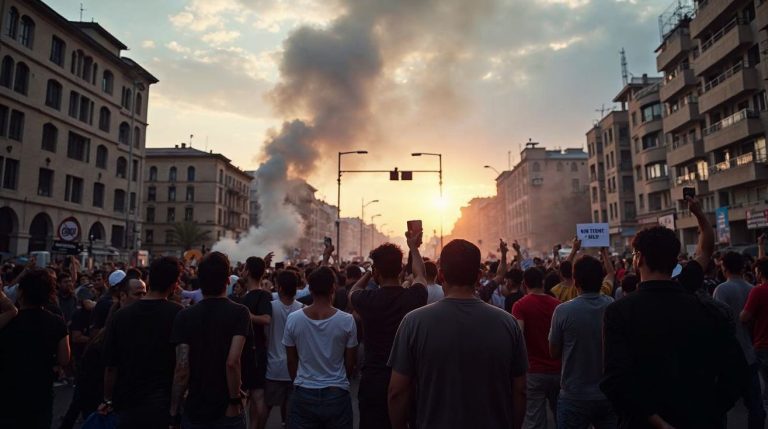
To understand these aftershocks, we must travel back to late 2010. It began in Tunisia, with the story of a street vendor named Mohamed Bouazizi, whose act of defiance and despair ignited a spark across the Arab world. It was a time when common people challenged authoritarian regimes, aiming for democracy and better living conditions. An ambitious dream that, for many, turned into a vivid nightmare. In its wake, the Arab Spring left a legacy of both democracies striving to be born and brutal crackdowns by regimes stubbornly clinging to power.
But how does all this link to Europe? Well, there’s an intricate web woven here. European nations found themselves unexpectedly intertwined, grappling with an influx of refugees seeking sanctuary, far-flung economic implications, and the looming shadow of terrorism. The Arab Spring was no distant storm; it was a gale that swept into Europe’s backyard.
The Refugee Challenge
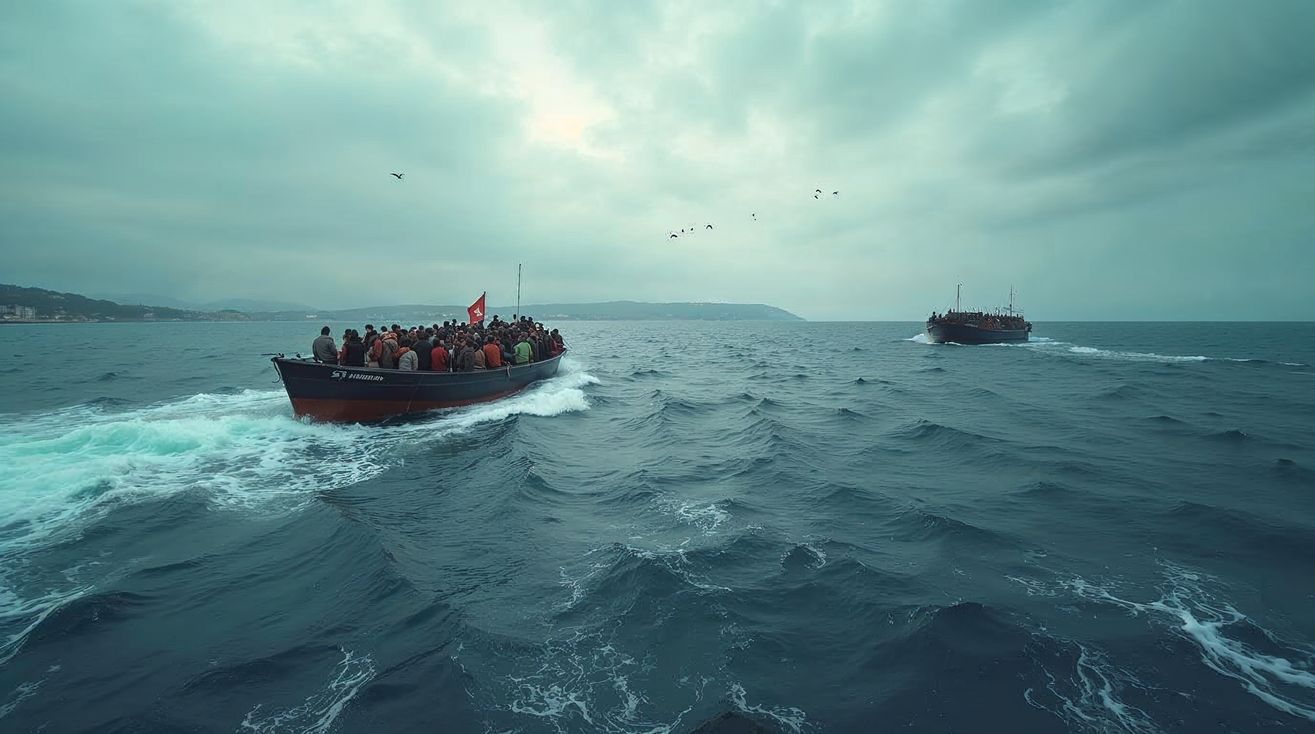
One can’t mention the Arab Spring’s influence on Europe without delving into the refugee crisis. Hundreds of thousands fled the chaos, crossing the Mediterranean in search of safety and hope. This exodus placed immense pressure on Europe’s resources and tested its political and social fabric. Nations were divided — should they open their arms or erect higher fences? Angela Merkel’s Germany welcomed many, while others hesitated, fearing the impacts on identity, economy, and security.
According to the United Nations High Commissioner for Refugees, by the end of the decade, millions were displaced, testing the limits of Europe’s spirit of unity and hospitality. It posed a fundamental question: Could European integration withstand such a test? It’s the kind of situation politicians dread — a test of both humanity and policy at once.
Economic Turmoil
Along with the humanitarian aspect, the Arab Spring jolted the European economy. Oil prices spiraled with instability in major oil-producing regions, and trading relationships were disrupted as newly-formed governments in the Arab world attempted to stabilize. Some European companies faced the precarious task of navigating new political environments, others reeled from disrupted supply chains and unpredictable markets.
The impact on Europe’s economy was unpredictable. Those in the economy will tell you it was like walking a financial tightrope with oil prices fluctuating wildly and confidence in trade partnerships growing shaky. It’s a reminder that distant revolutions can indeed send economic shockwaves far beyond their roots.
The Security Dimension
Yet, perhaps more quietly, another consequence unfurled — the question of security. The instability bred by the Arab Spring allowed extremist groups to thrive in power vacuums. Europe faced a heightened threat of terrorism, as radical ideas flowed more freely across borders. News bulletins echoed with a singular word — fear.
Security experts pointed to a rising need for cross-border collaboration, intelligence sharing, and bolstering defenses. Many countries increased budgets for security measures, aware that domestic safety could no longer be treated as an isolated affair. It’s a poignant reminder that in today’s interconnected world, no nation is truly an island.
Tensions rose in European societies, stirring debates on integration versus segregation. Can cultures be woven together harmoniously, or do differences sow discord? These are not merely academic questions; they strike at the heart of the European project itself.
The Lingering Legacy
The Arab Spring has irrevocably shaped the European Union’s identity and policies. From immigration to external relations, the lessons and trials continue to mold strategies and decisions. Discussions in Brussels echo with the legacy of an uprising that seemed, at first, a distant concern.
As climate change and other global challenges beckon, Europe finds itself at a crossroads. How to balance internal coherence with global responsibilities? It’s a balancing act fraught with tensions and uncertainty, compelling Europeans to rethink what integration truly means.
The Arab Spring was a pivotal chapter, reshaping borders, hearts, and policies. And while it poses challenges, it also serves as a powerful testament to the resilience and adaptability of human societies.
So now, where do we go from here? Understanding the past, we may better navigate the future. Join the conversation and consider what role you might play in this global narrative. Let’s stay curious, open, and engaged with the ever-unfolding story of our shared world.