The History Behind The Collapse of the Berlin Wall
The Berlin Wall – a stark symbol of division in a country yearning for unity, and its fall was nothing short of historic. It was a moment that left the world holding its breath, waiting for bricks and barriers to crumble. Its story is layered, full of twists, and strangely, deeply human stories – the kind that cling to memory. Let’s take a journey through the compelling history of the Berlin Wall’s rise and fall, and the remarkable events and people that brought about its end.
The Cold War’s Concrete Embodiment
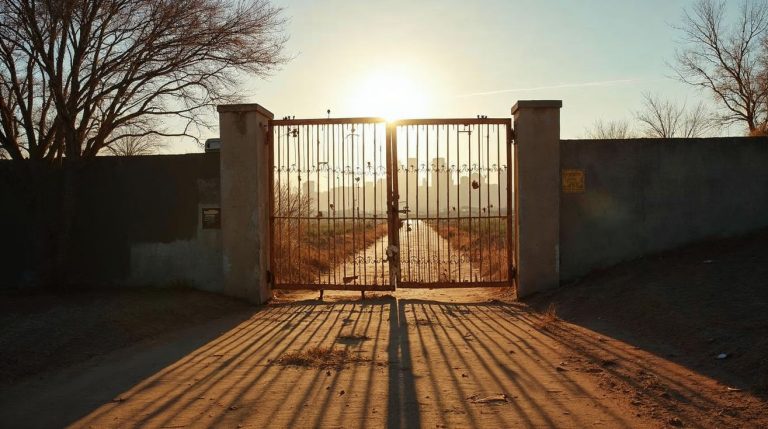
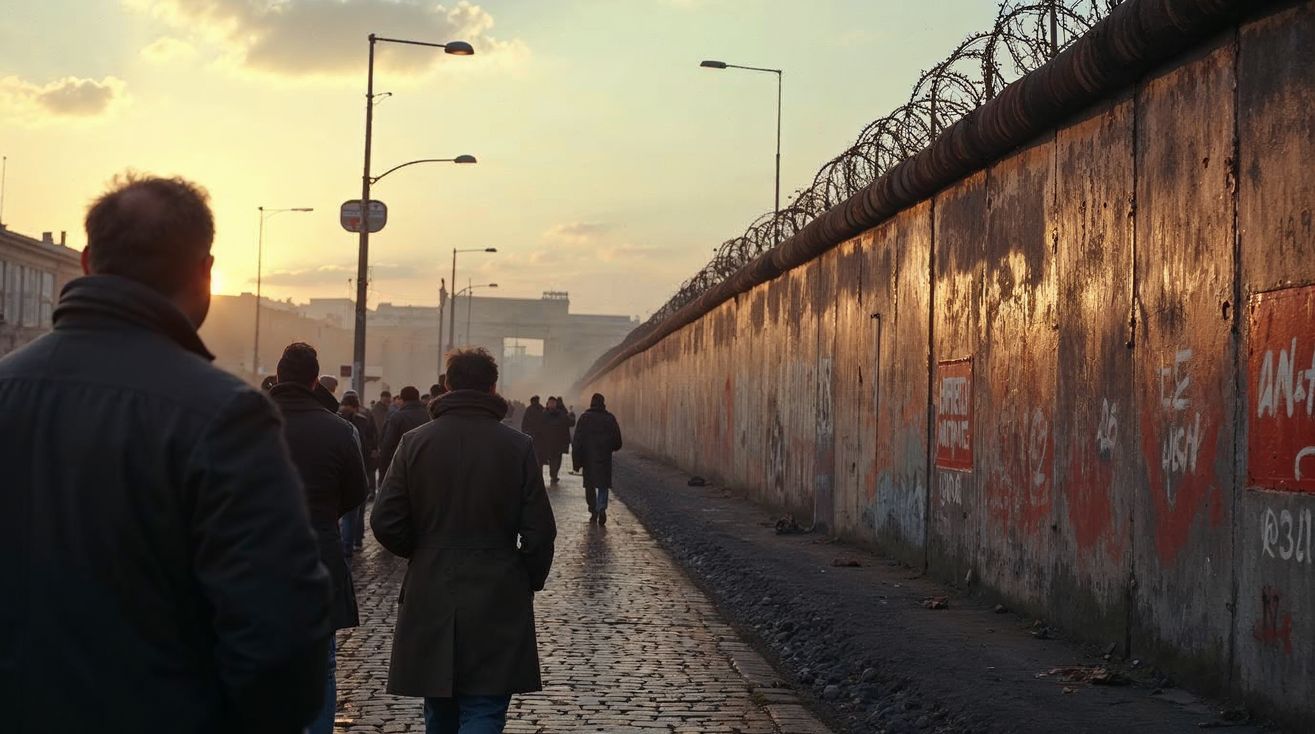
The Berlin Wall went up on August 13, 1961, and it was not merely a structure of steel and stone. No, it was a powerful emblem of the Cold War’s chilling embrace, a physical split cutting Germany right into two. Built by the German Democratic Republic (GDR), or simply East Germany, its purpose was crystal clear: curb the mass emigration and defection from East to West. The Wall not only physically severed the city of Berlin but created a poignant psychological division, effectively barring East Germans from experiencing Western freedoms.
It’s stunning, isn’t it? That at a time when much of the world was moving toward liberty, others were erecting barriers? More than just a wall, it became a dramatic stage for power plays where politics took center stage. According to the CNN Archive, approximately 5,000 people bravely crossed or attempted to cross this well-guarded boundary during its nearly three-decade existence.
The Lives It Touched
The Wall was more than a concrete divider; it was a thief of hope and opportunity. Imagine waking up one day to find your street split in half, your family on one side, your friends on the other. By design, it tore lives apart, forcing people to leave behind their loved ones and dreams.
Remember Peter Fechter? A notable name among many who tried to defect. Tragically, his story ended as he lay bleeding on barbed wire, a life extinguished while reaching out for freedom. His death, highly publicized, struck a chord with many and made the world collectively wince; this wasn’t just politics – real people suffered and died.
Yet, human resilience is an incredible force. Many showed ingenuity, orchestrating daring escapes via tunnels, hot air balloons, and even slender zip lines. It’s difficult not to be in awe of such courage, to not feel the palpable desperation these individuals must have felt yearning for a future beyond the Wall.
A Subtle Beginning of the End
As the years ticked by, the Wall grew frail in its symbolic power. Despite its stern appearance, its foundation was slowly, but surely, shaking. The East German government, strapped by economic woes and growing political chaos, found itself in an increasingly precarious position.
In the mid-1980s, the winds of change, stirred by policies of openness and reform in the Soviet Union, began to sweep through Eastern Europe. Imagine the surprise when Hungary opened its borders in 1989, offering East Germans a gateway to the West. This act significantly splintered the Wall’s perceived impregnability.
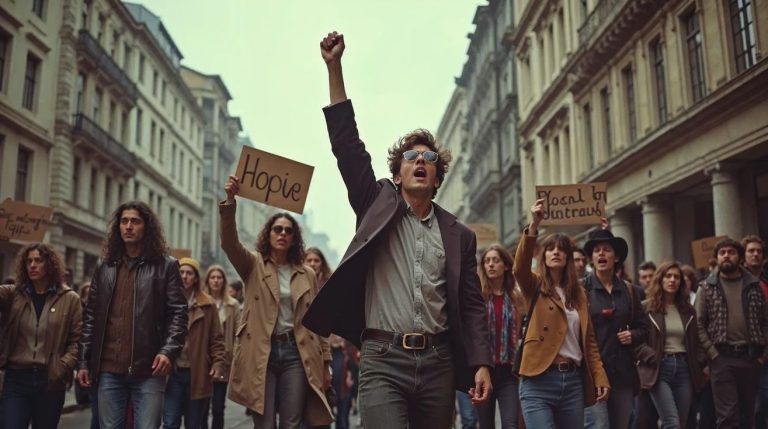
Meanwhile, within East Germany, protests burgeoned. Every Monday in Leipzig, thousands took to the streets, chanting for reform. It was becoming clear: change was imminent, and the government’s confidence was waning. How did the Wall stand a chance against such an overwhelming tide of determination?
The Day the World Watched
November 9, 1989, dawned like any other day, yet it became a date eternally etched into history books. In a somewhat fumbled announcement, the GDR government unexpectedly declared that the Wall was open, effective immediately.
And, well, all hell broke loose—in the best way possible. Crowds surged towards the Wall, their dreams suddenly within reach. People gathered, arms linked, clawing, hammering, tearing down chunks of the barrier that had divided them for so long. The world watched, almost disbelievingly, as the Wall’s shadow evaporated in a swirl of dust and cheers.
That evening, dancing spilled across the streets, shared triumph flowering between strangers who’d become brothers and sisters in the fight. The fall of the Berlin Wall wasn’t just a political victory; it was an explosion of human spirit, an unforgettable dance of freedom.
The World After the Wall
The Wall’s fall didn’t just reunite Germany. It marked the beginning of the end for the Cold War, heralding a new era of European cooperation, and a world more open than many had imagined possible. Of course, challenges remained. The journey was far from over. The reunification of Germany required healing decades of cultural and economic separation, yet the country set its sights united towards the future.
Today, while the Wall’s physical presence is mostly relegated to tourist sites and museums, it remains a powerful memory and a reminder. A testimony of division and unity, despair and hope. The tales of those who lived it—those who fought against it—continue to echo, urging everyone to remember the folly of such divides.
If you find this tale intriguing and want to follow more stories that stir the soul and rattle the bones of history, we’d love to have you with us on this remarkable journey. Keep exploring, keep questioning, and remember—the best stories are those that never quite finish telling.