The Civil Rights Movement and the Shaping of Climate Negotiations
Sure, let’s dive into the fascinating twists and turns of the Civil Rights Movement and see how it influenced the complex tapestry of modern climate negotiations. It’s a story where justice meets sustainability, and boy, it’s a remarkable one!
The Heartbeat of Change
It’s the 1960s. Picture a nation embroiled in struggles for justice, equality, and civil rights. Leaders like Martin Luther King Jr. weren’t just dreaming of a nation where people were judged by the content of their character rather than the color of their skin; they were orchestrating marches that wound through the veins of American streets. But here’s something that gets less attention: this movement wasn’t just about social justice. It set the stage for diverse advocacy efforts, including those tackling climate change.
Why, you ask? Well, the civil rights era taught activists how to mobilize, lobby, and channel their passion to shake the world’s conscience. And funny enough, the echoes of those chants for freedom have found their way into the halls of climate discussions.
A Legacy Intertwined
Fast forward to today. The climate conversation is no longer the niche interest of scientists or environmentalists alone. It has become a stage for leaders, advocates, and the public alike. This transition owes much to the strategies honed during the civil rights movements—like coalition building, storytelling, and persistent advocacy.
Dr. Robert Bullard, often hailed as the father of environmental justice, has underscored how the fight for civil rights in educating and empowering underrepresented communities plays a crucial role today. He notes that those who historically fought for racial justice now see environmental justice as an extension of this struggle. Their lens, sharpened by experiences, brings to light issues like how poorer communities might suffer most from pollution and climate impacts. Check out Sierra Club’s Environmental Justice program for more insights.
The Climate Negotiation Landscape
It’s a whirlwind every time climate negotiations come around. These meetings, such as the UN’s annual climate conferences, are broad, involving nations, corporations, and NGOs. And yes, they can be quite the spectacle! The negotiating rooms are where high-stakes drama unfolds—think backroom deals and passionate speeches.
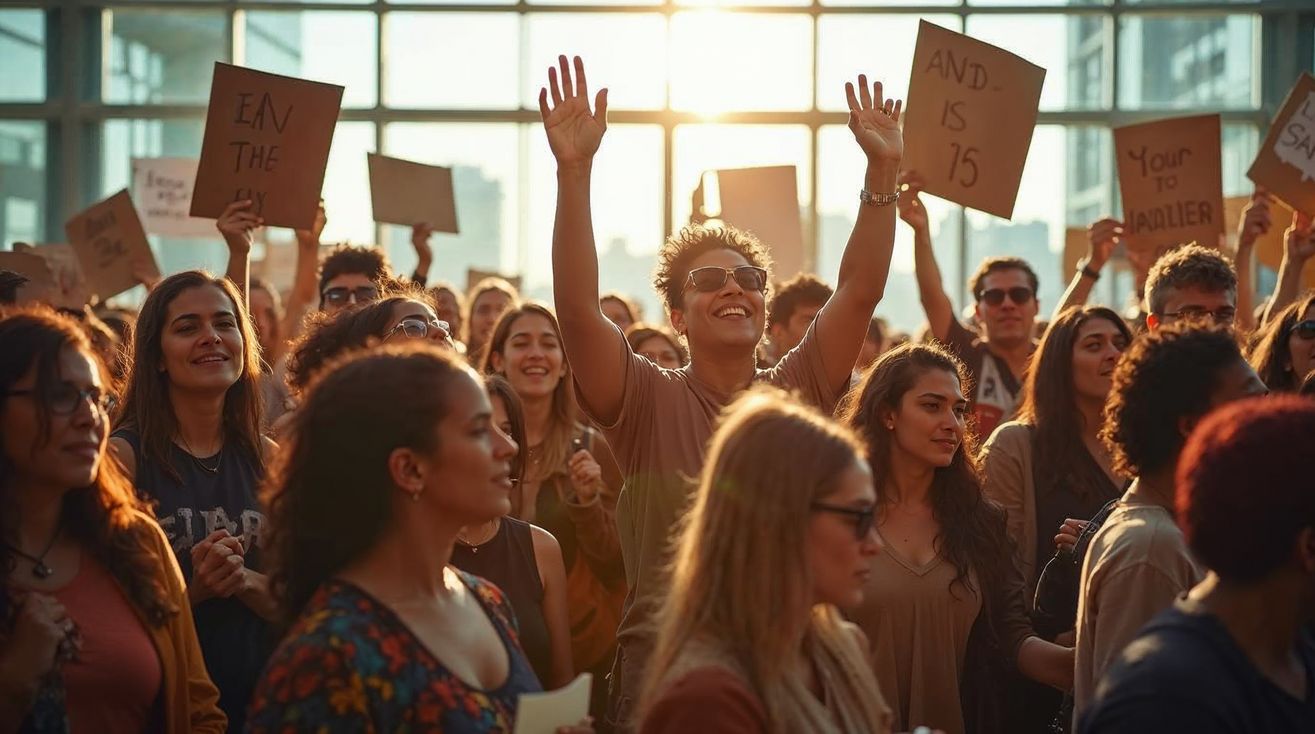
Yet, it’s the influence of past advocacy movements that’s making strides. Drawing from the civil rights playbook, today’s activists are demanding urgent action and accountability. They’re unafraid to shine a light on inequities, and that civil rights influence pulses in the strategies they employ. Interestingly, a UN report highlights how grassroots movements are increasingly shaping global policies.
The Continuation of Advocacy
As we look to the future, there’s an undeniable truth: the threads connecting civil rights and climate activism grow only stronger. Young activists, like Greta Thunberg, are not just urging the world to cut emissions; they’re clamoring for justice in energy transitions, making voices and stories heard. They grasp that achieving true climate justice is intertwined with fostering broader social equity.
Sometimes, the most powerful lessons stem from those who fought before us. As we navigate the challenges climate change poses, the civil rights movement acts both as a guide and a source of inspiration. It teaches us that justice and equity are not mere ideals but necessary components of solutions to the world’s pressing challenges.
Let’s face it, while the weight of longevity and complexity can be overwhelming, the vibrancy of hope and human tenacity remains a constant torch. For those wanting to explore more, here’s a compelling talk by Dr. Bullard, highlighting the intersection of racial justice and environmental activism (oh, it’s something to see):
In closing, let this storied past fuel your activism. Stand on the shoulders of giants, aiming for a world where justice, in all its flavors, embraces us all.
So, what’s your next step in this unfolding journey of justice? Join the conversation. Be the change.