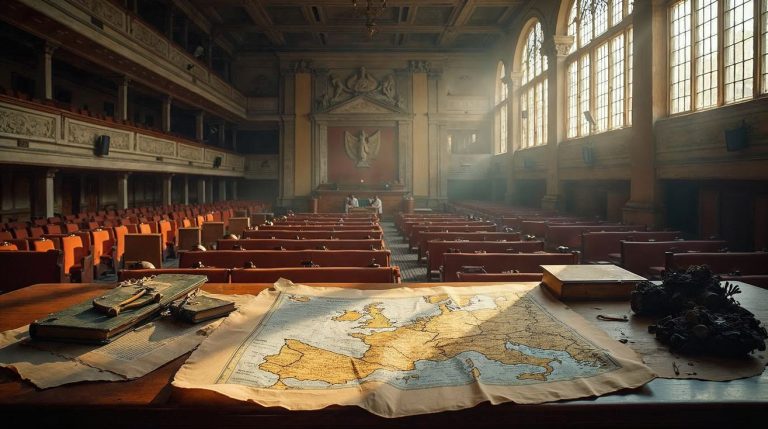
The Iraq War and the Shaping of Parliamentary Politics
The world of parliamentary politics often feels like a grand theater — filled with drama, unexpected twists, and power struggles that can alter the course of history. In the backdrop of these power games, the Iraq War emerged as a pivotal moment. It didn’t just reshape geopolitics; it fundamentally influenced how parliamentary politics are conducted today. But how exactly did this conflict influence such a transformation?
The Ripple Effect of Conflict
The Iraq War was not merely a military confrontation; it was an event that sent shockwaves through political landscapes worldwide. One of its most profound effects was how it compelled parliamentary systems to re-evaluate their roles in military decision-making. The war placed lawmakers in countless surprising dilemmas — should they support military interventions based on intelligence that wasn’t entirely certain? This question and many more lingered in the halls of parliaments around the world.
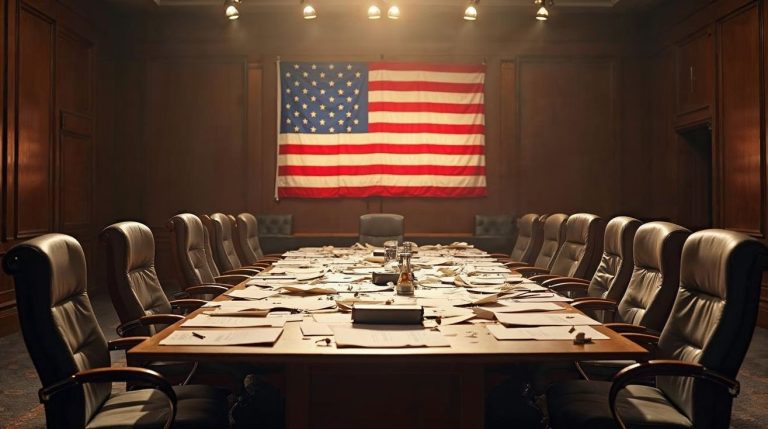
The aftermath of the war led to increased demands for accountability and transparency, as echoed in a report by the Iraq Inquiry. The inquiry highlighted the need for more rigorous debate and scrutiny before sending troops into conflict zones, urging parliaments to assert themselves as the ultimate decision-makers in these critical matters.
The Struggle Over Information
One of the key lessons from the Iraq War was about the power and pitfalls of information. It was during this time that the term “weapons of mass destruction” became infamous — a chilling phrase that underscored the gap between intelligence reports and ground realities. MPs began questioning the accuracy and sources of the information presented to them. Were they being misled? This wasn’t an easy period for anyone. The specter of this misinterpretation hung over many parliamentary takers of the time, making them weary of future intelligence assessments.
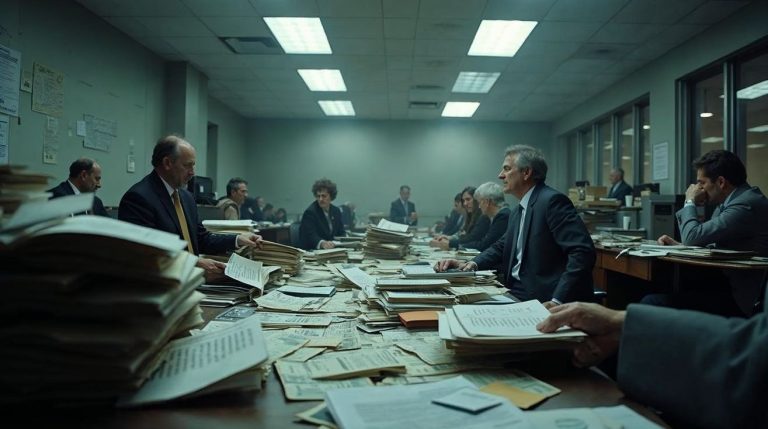
Additionally, the war instigated a demand for reformative measures within intelligence agencies and pressured parliaments to demand better oversight and transparency into operations. As a result, committee hearings and intelligence briefings became more pronounced, setting a precedent for how sensitive information should be handled going forward.
Public Perception and Political Fallout
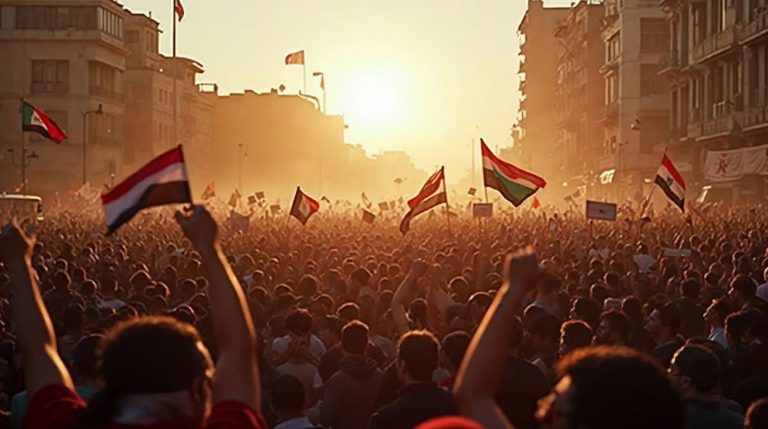
Amidst the chaos of the Iraq conflict, one element stood irrepressibly noticeable: public opinion. The war was deeply unpopular among various segments of the population, leading to expansive protests that voiced widespread discontent. These protests unfolded in city streets worldwide, wrote an indelible message on the pages of political history, and demanded a response from political representatives.
In a BBC study, many MPs later admitted feeling the pressure from their constituents who were vehemently against the war. This shaped their approach to public policy decisions in subsequent years, making them more in tune with the electorate’s sentiments. Quite often, they found themselves walking a thin line between party loyalty and the voice of the people — a dilemma that never quite leaves the political arena.
A Lasting Impact on Global Politics
Globally, the reverberations of the Iraq War have continued to echo across foreign policies and alliances. The conflict’s challenges and outcomes taught countries the importance of coalition-building and diplomacy over unilateral actions. Nations began to favor multilateral approaches to global security challenges, seeking partnerships to share the burden and responsibilities of international interventions.
From a broader perspective, the war illuminated the importance of parliamentary support for military endeavors—a lesson hard learned and not easily forgotten. Many nations reassessed their military involvement frameworks, ensuring parliaments have a stronger voice in decision-making processes.
In summary, the Iraq War’s legacy in parliamentary politics is undeniable, encapsulated in a myriad of lessons about oversight, transparency, and the intricate dance between representing public sentiment and adhering to moral responsibilities. It’s a chapter in history that compels us to ponder: Are we ready to learn from the past, or is history destined to repeat itself?
If these reflections have sparked your interest, consider exploring further. Share your thoughts and continue the conversation about the intertwining worlds of war and politics. After all, isn’t the beauty of democracy in its dialogue and debate?