Empire and Liberation: Lessons for Today’s Immigration Debates
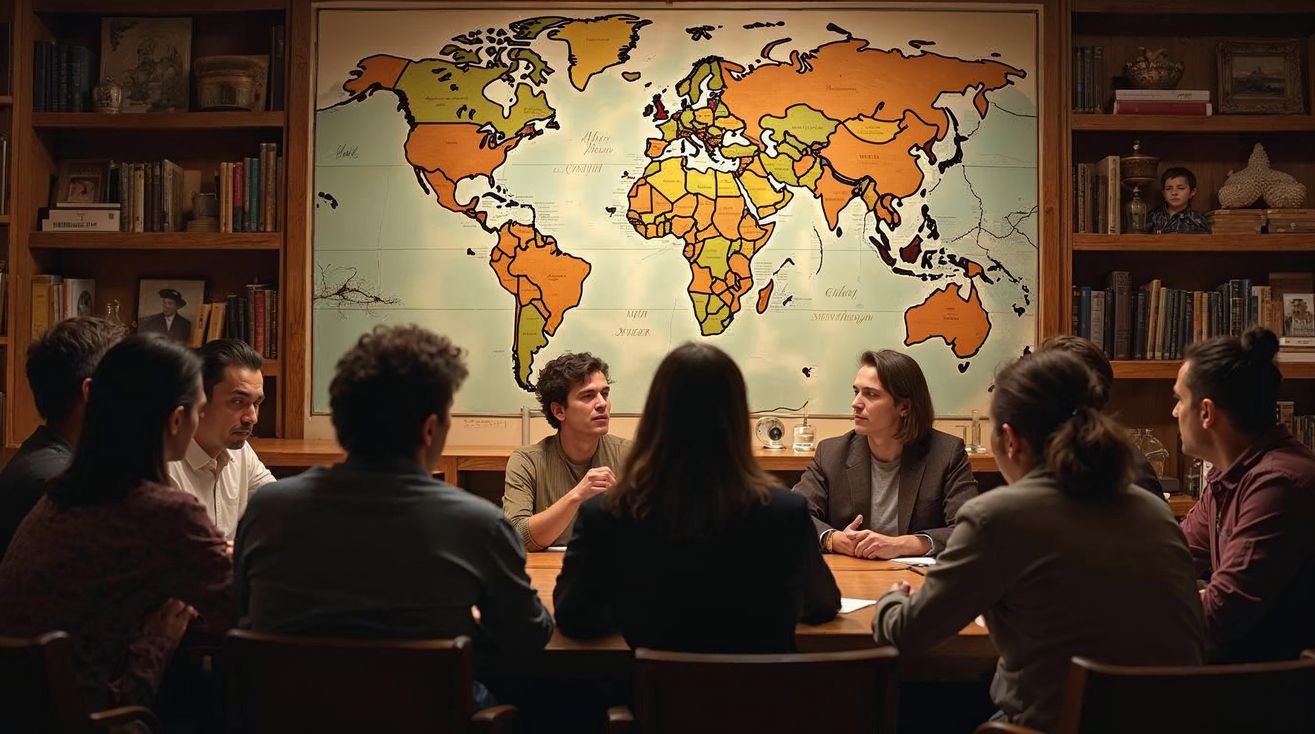
Empire might feel like a distant echo in the halls of history, yet its reverberations are loud and clear in today’s immigration debates. Stories of past dominions are not just in old textbooks; they’re echoed in today’s policies and attitudes. How do these lessons from decolonization hold meaning for us now? Let’s explore the intricate ties between past empires and present-day immigration dynamics.
The Empire’s Legacy
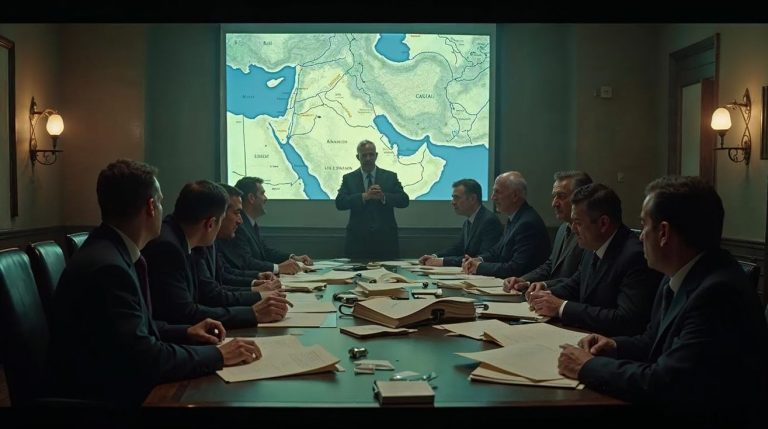
When you think about empires, those vast conquests and territories come to mind. But more than land, it’s the stories of people—of identity and belonging—that linger on. The British Empire, to name just one, was once sprawling across various continents. Its influence spread through language, culture, and, crucially, laws that have left a lasting imprint on immigration policies. You might wonder, how does this historical backdrop affect the contemporary world?
A report from The British Museum suggests that the commonwealth ties established in post-colonial times have paved avenues for migration across former colonies. The shared history has inadvertently crafted pathways for people, a ripple effect of decolonization that still shapes immigration gates today. Intriguingly, the push and pull factors have always been complex—from seeking economic opportunities to escaping political unrest.
Lessons from Decolonization
Decolonization, initially, was about reclaiming sovereignty; it was a bold reassertion of culture and governance. Yet, it’s also a cautionary tale about integration and representation. Many former colonies have faced challenges in building inclusive national identities, and these lessons are stark reminders for modern immigration policies. How often do countries today wrestle with integration, balancing between cultural diversity and social cohesion?
Conversations around immigration policies today often echo those about the transition to independence. We see nations grappling with identities, much like the newly independent states did. Cultural historian Dr. Mira Patel put it succinctly, stating, “History is not a blueprint, but it provides glimpses into patterns of human behavior.”
Economic Migrants: Then and Now
Economic migration isn’t new. Centuries ago, people moved for trade, resources, and employment under imperial rule. The trade routes of the past have evolved into the economic corridors of today. Where ships once carried spices, today they ferry labor across oceans and borders. And the factors motivating movement have strangely remained consistent: opportunity, survival, and advancement.
Today’s debates frequently center on economic migrants, often accused of taking jobs or straining resources. However, a study from The World Bank found that economic migrants contribute significantly to economies, frequently propelling growth in various sectors. The past has shown us that migration can lead to economic enrichment—for all parties involved.
Culture and Identity: A Delicate Dance
Cultural shifts inevitably follow migration. As waves of migrants settle, they bring something intangible yet profound—their blend of culture. This cultural interplay is as delicate as it is dynamic. It can lead to a rich tapestry where traditions intertwine or, sometimes, a cacophony that ignites tension. It’s a narrative that keeps the world vibrant, albeit with challenges.
In the creative artistry of food, music, and language, migrants have left indelible marks, weaving into the host country’s cultural fabric. Yet, the challenges of assimilation linger. How does a nation embrace the color of cultural diversity without diluting its essence? That remains an ongoing question, with answers as varied as the cultures embroiled in the exchange.
Looking back at the tropes of empires and decolonization, one can muse: are we truly listening to the echoes of history? The question is not rhetorical; it carries immense weight in charting the course of today’s immigration. How do we best integrate individuals seeking new beginnings while respecting their rich backgrounds?
We can glean insights from past struggles, harnessing them to inform contemporary policies that are humane, and realistic, and envision a coexistent future. As we move forward, understanding these threads of history could be our guiding compass. A world that’s aware of its past can better navigate its future.
So, how will you contribute to this dialogue? Whether through conversation, education, or advocacy, your voice matters in shaping a more inclusive narrative. Let’s continue this discussion—history might not repeat precisely, but its echoes are unmistakable guides.
Get involved, share your story, or simply reflect on these intricate narratives with friends and family. Perhaps it’s time we listened more closely to the past to inform our future. What do you think?