How Cold War Propaganda Shaped Contemporary Digital Surveillance
Imagine a world where your every digital move is under scrutiny. Sound familiar? The roots of today’s digital surveillance have deep historical ties. Can’t believe it? Well, it’s an intriguing tale woven through the shadows of the Cold War era.
The Birth of Digital Oversight
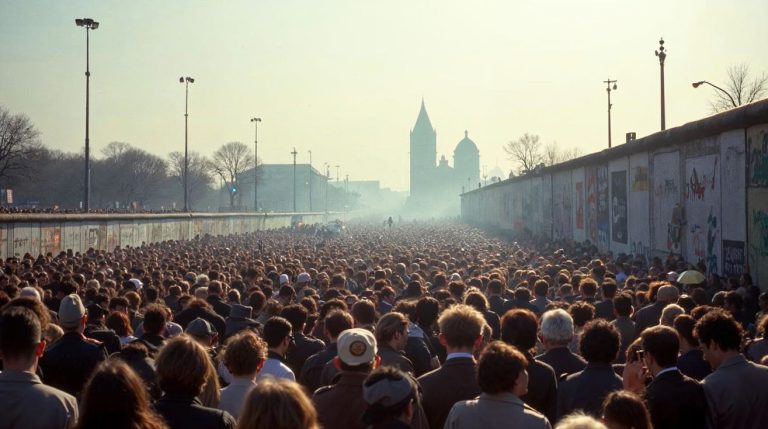
Back in the days of the Cold War, the tense global standoff between superpowers like the United States and the Soviet Union was more than just a geopolitical chess game. It was a time of intense espionage, where information was the ultimate weapon. According to a report by the NSA, both superpowers invested heavily in monitoring technologies to keep tabs on each other.
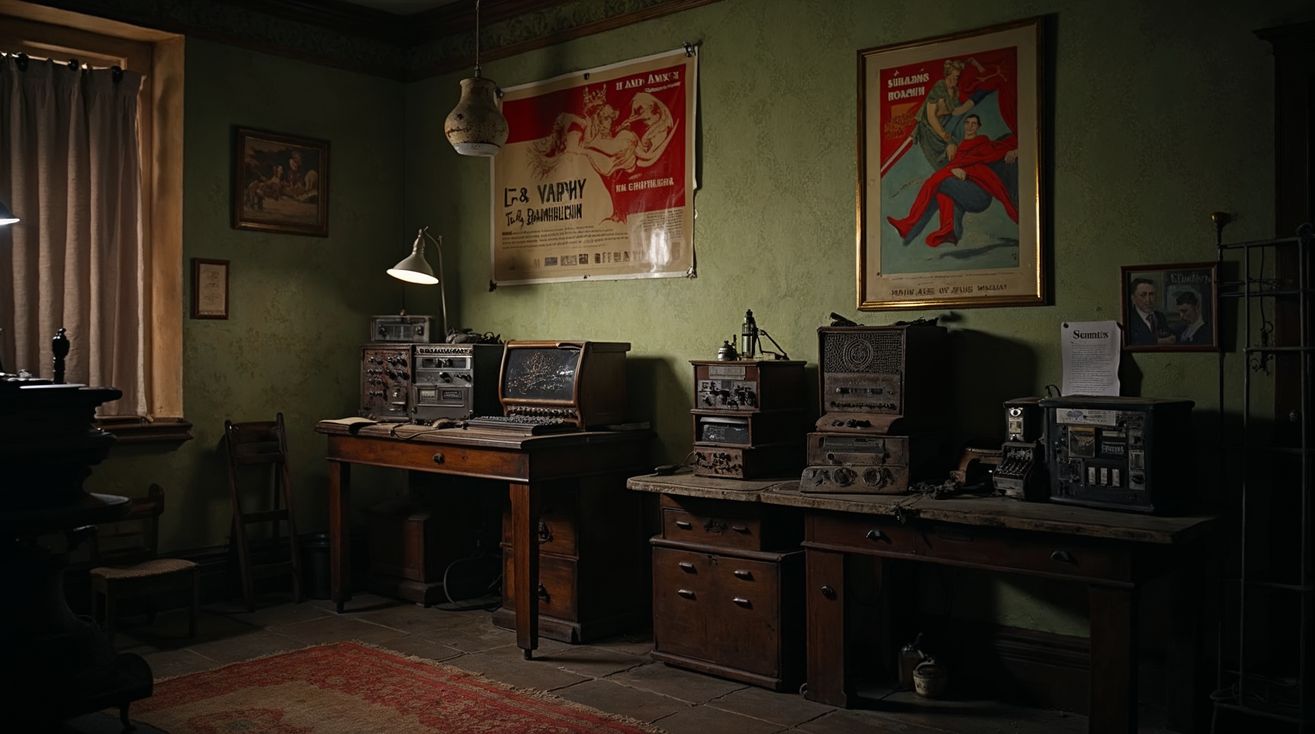
These early systems focused primarily on telephone and radio communications — the lifelines of that era’s technology. Yet, they laid the groundwork for what would become today’s sophisticated surveillance networks.
The Evolution of Espionage Techniques
The Cold War was a fertile ground for innovation, even in espionage. Initially, activities were limited to wiretapping and intercepting communications. But as computer technology began to develop, digital surveillance systems gradually emerged. Companies and governments alike started exploring electronic data as a new information frontier.
As personal computing became more accessible, governments began to see the potential in monitoring not just enemies but inevitably, citizens too… and honestly, it was a bit surprising that no one truly anticipated the future privacy implications.
Propaganda and Public Perception
Surprisingly, the masses were often softened up with conspicuous advertising campaigns and political messaging — an art perfected during the Cold War. This sort of calculated propaganda helped instill a certain compliance or passive acceptance of surveillance practices. It was, in a way, marketed as necessary for ensuring national security.
One expert even remarked — in a rather famous quote from an interview with the Harvard Gazette — that the real success of Cold War propaganda was making people believe surveillance was synonymous with national patriotism. How does that make you feel about your 21st-century digital footprint?
The Cybersecurity Cold War
Fast forward to today, and the digital battleground is no longer limited to military powers. Businesses, boards of directors, and even small startups are engaged in a new type of cyber intelligence rivalry. According to a study published by RAND Corporation, the exponential growth of the Internet has created opportunities and vulnerabilities alike.
Take a moment, look at the gadgets lying around you. Every smartphone, smart TV, every ‘smart’ thing you own, is susceptible to surveillance. It’s the kind of fact people shrug at… until they can’t anymore.
Beyond the technological advances, there’s a psychological dimension too — a constant dance between privacy and security, freedom and control. Are we entering a new age of digital sovereignty or simply evolving old habits of control?
Lessons from the Past
Reflecting on the past, it’s clear that the shadow of the Cold War looms large, not just on the pages of history textbooks but through the smartphone screens and Internet connections that shape our lives. Understanding the roots of modern surveillance isn’t just about delving into the past. It’s about recognizing how these seeds, planted decades ago, have grown. Will we let them overtake us, or can we cultivate a balance between oversight and autonomy?
For those curious souls, remember, awareness breeds informed decisions. So next time you browse, think about the historical context lurking behind your screen. Check out a video on this fascinating subject:
We encourage you to share your thoughts on how we can better navigate this complex digital landscape. After all, the conversation about surveillance isn’t just about data — it’s about us.