What We Misunderstand About The Iraq War
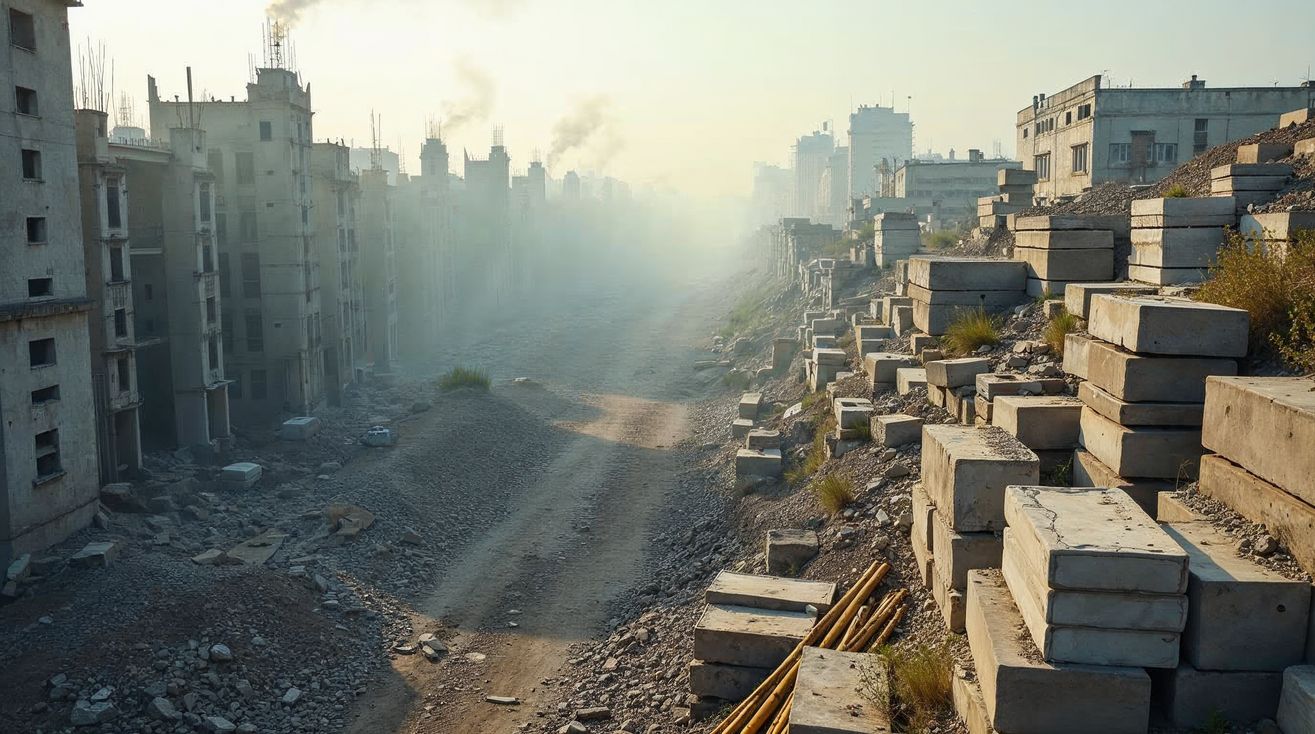
Lately, there’s a growing buzz about the environmental impact of concrete. Yes, that mundane, gray material under our feet — it’s surprisingly a big deal. Concrete accounts for a whopping 8% of worldwide carbon dioxide emissions, and frankly, this has raised more than a few eyebrows. But did you know that there are more sustainable alternatives out there? Well, there are, and they’re catching attention for all the right reasons.
Understanding Concrete’s Impact
It’s almost ironic, isn’t it? Concrete, which quite literally builds our world, is responsible for a considerable chunk of carbon emissions. According to a report by Climate Central, the production of cement, an essential ingredient in concrete, releases vast amounts of CO2. With rapid urbanization, the demand for concrete has only soared, leaving an environmental footprint that’s hard to ignore. One might start wondering if there are smarter choices we could be making, and you wouldn’t be wrong to think that.
Bamboo: Nature’s Builder
Enter bamboo, often dubbed as nature’s miracle plant. It grows quickly, reaching maturity in just three to five years, unlike traditional hardwoods that might take decades. Bamboo also efficiently absorbs CO2 and releases oxygen, adding another feather to its cap as a sustainable option. But what makes it particularly exciting is its versatility. It has been used in construction for centuries, especially in Asia, proving that it can be both reliable and durable. Really, it makes one wonder why we haven’t leaned more on this natural resource earlier.
Recycled Plastic: From Waste to Wonder
Now, get this — recycled plastic is stepping up as a genuine contender to conventional concrete. And yes, it’s as innovative as it sounds. Companies are fabricating blocks from discarded plastic, offering a solution that tackles waste and emissions in one fell swoop. It’s fascinating how something once deemed trash can be transformed into something so crucial, isn’t it? The move towards recycled plastic not only addresses environmental concerns but also promises longevity and strength.
Hempcrete: The Mighty Challenger
Hemp, the robust cousin of cannabis, is making waves in the construction arena. Hempcrete, which combines lime and hemp hurds, offers excellent insulation and is incredibly lightweight. The most impressive feature? Hemp actively captures carbon dioxide, meaning the more hempcrete used, the more CO2 is sequestered. It’s an eco-friendly alternative that’s gaining traction, and for good reason. The future of construction might just lie in this humble plant.
Fashioning the Future
So, what does this mean for the future of building? These alternatives aren’t just pie-in-the-sky ideas; they’re realistic paths that could redefine sustainable architecture. With champions like bamboo, recycled plastic, and hempcrete, the concrete jungle as we know it might look very different in the coming years. Just imagine a city where buildings breathe – where materials are as alive as the environment they’re part of.
As we inch closer to more mindful construction practices, there’s an undeniable spark of hope. Change won’t happen overnight; it demands awareness, innovation, and policy shifts. Now, more than ever, is the time to act wisely — to rethink and reshape our spaces with the planet in mind.
Want to delve deeper into the fascinating world of sustainable building materials? Here’s a short video that might just inspire you to see things differently:
Have any thoughts or stories to share about unconventional construction materials, or maybe you’re curious to explore one for your next project? Don’t be a stranger — let’s keep the conversation going!