Why The End of Apartheid Still Shadows Migration Policy Today
The echoes of apartheid might seem like a distant memory to some, but for countless others, its shadow looms long over the corridors of migration policy. These policies, shaped by history, continue to grip today’s headlines, stirring society’s collective conscience—and understandably so. Why exactly does the legacy of apartheid continue to haunt these policies? Let’s delve deeper and unravel this compelling narrative.
The Historical Tapestry of Migration
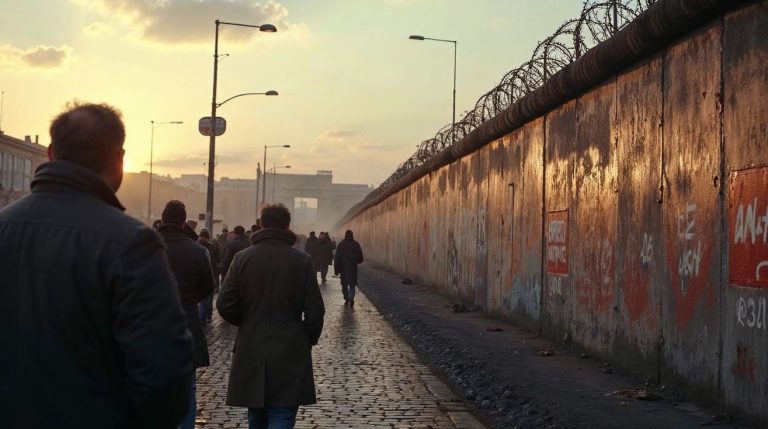
Imagine living in a world where your every move is dictated by walls unseen, yet unyielding. Apartheid, a harsh system of racial segregation, enforced rigid divisions that left an indelible mark on migration policies. This legacy remains tangled within the fibers of modern policy, refusing to fade into oblivion. Noteworthy, don’t you think? It’s not just a chapter in a history book but an ongoing story that shapes lives even today.
One can’t discuss migration without also conversing about identity, opportunity, and access. There’s a concrete intertwining here, almost like threads from the past weaving into the fabric of the present. According to a study by Human Rights Watch, the aftershocks of such systemic segregation manifest in today’s laws and attitudes, impacting how migration policies are crafted and perceived.
Unresolved Issues and Their Impact
Remember the saying: history repeats itself? In today’s scenario, this truism echoes loudly. The remnants of apartheid-era policies have indeed snuck into modern legislation, often influencing how migrations are viewed and executed. But it’s more than just paperwork—it’s about human stories, human struggles. Policies built on exclusion still whisper their eerie tales in back-office decisions, immigration desks, and legislative chambers.
And let’s be honest, how often do we think about these connections in our daily lives? This kind of reflection is crucial. As seen in a recent Brookings Institution report, these echoes of exclusion affect not only local populations but ripple across borders, influencing global attitudes toward newcomers. It’s a long-haul flight from equality—one that many world leaders are still grappling with, amid promises of reform.
Challenges and the Path to Equitable Solutions
So, what does this mean for us now? The conversation around migration policy is often devoid of the warmth of human understanding; it’s time that changed. A touch of empathy could work wonders, don’t you think? The challenge lies in tearing down the vestiges of past injustices while building an equitable future. It’s like trying to see clearly through a stained glass window—sometimes the colors get in the way of our clarity.
Reaching consensus feels like an uphill climb. But perhaps there’s hope on the horizon. Institutions and policymakers must embrace a mindset shift, focusing on inclusivity. As a new generation comes into power, there’s an opportunity to rethink and reshape policies in a way that acknowledges the past, yes, but doesn’t allow it to dictate the future.
Reimagining the Future
Perhaps it’s time for a major shift, a moment where those in power decide enough’s enough. Could we be brave enough to imagine a future unshackled by the ghosts of the past? The power of change lies in genuinely understanding and addressing these multifaceted issues. It’s not just about policy papers and regulations, but real people with dreams and ambitions.
So, as we think about migration, let’s invoke a little more kindness, a dash more equality. Standing at the crossroads, let’s choose a path that values dignity and justice for all. Shall we agree that the future of migration policy must endow equity above all else?
These are not just high-minded ideals; they’re a societal need. It’s up to us—everyone from citizens to policymakers—to ensure that the shadows of apartheid do not silently steer our moral compass. A cohesive effort toward a brighter, fairer day is paramount.
Join the conversation, share your thoughts, and become an active participant in reshaping what migration policy could—and should—be. Your voice matters, as does every human story behind these decisions. Together, we can forge a future worthy of celebration.