When Cold War Propaganda Became a Turning Point for Identity Movements
Over the years, the boundaries separating dinner-table discussions from national policies have become intriguingly complex. We stand today at an intersection where intricate issues of identity politics and history converge, telling us tales as tangled as they are enlightening. One such fascinating narrative unfurls in the backdrop of the Cold War era. How did a global power struggle give birth to new waves of identity politics? The answer might surprise you.
The Dawn of Identity Politics
The Cold War, often remembered for its tension-filled standoffs, espionage, and ideological battle lines, profoundly impacted political and social landscapes worldwide. This period wasn’t just about geopolitical strategies—it was an era where cultural narratives began shifting. According to a historical analysis from Britannica, nations started recognizing the influence of public perception and identity in their power plays.
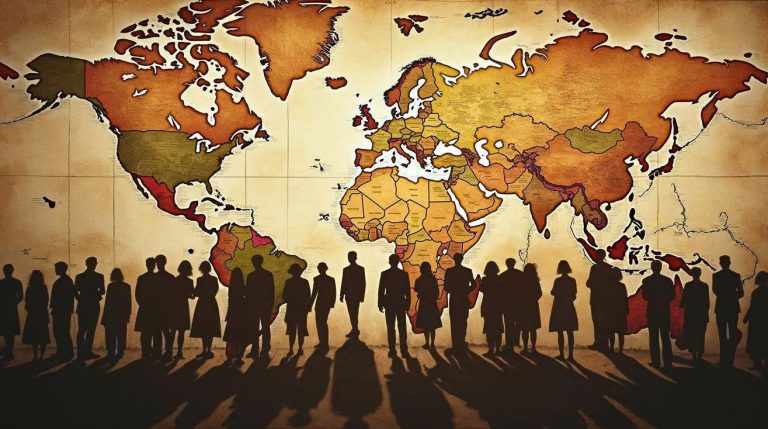
Interestingly, as the world watched global superpowers wrestle for dominance, a quieter, yet just as powerful struggle was taking root. People began to examine who they were not just through the lens of nationality but through various facets like race, gender, and ethnicity. And it wasn’t incidental. This was an awakening that governments, knowingly or not, played a part in shaping.
Propaganda’s Unexpected Role
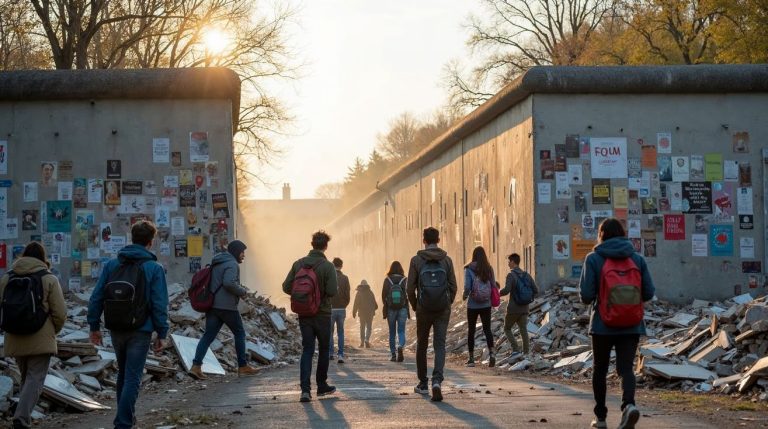
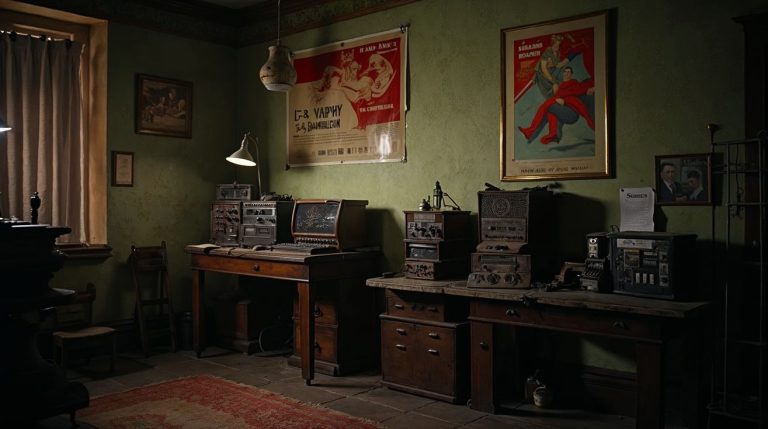
The notion of propaganda might evoke images of daunting posters or shrill broadcasts, telling people what to believe. However, during the Cold War, the role of propaganda took on new dimensions. It wasn’t only about promoting an ideology—it started challenging identities everywhere. Authorities used it to highlight differences and create a narrative of ‘us versus them’. But, as history loves to twist the plot, this divisive strategy paradoxically led to a newfound cohesion among minority groups across the globe.
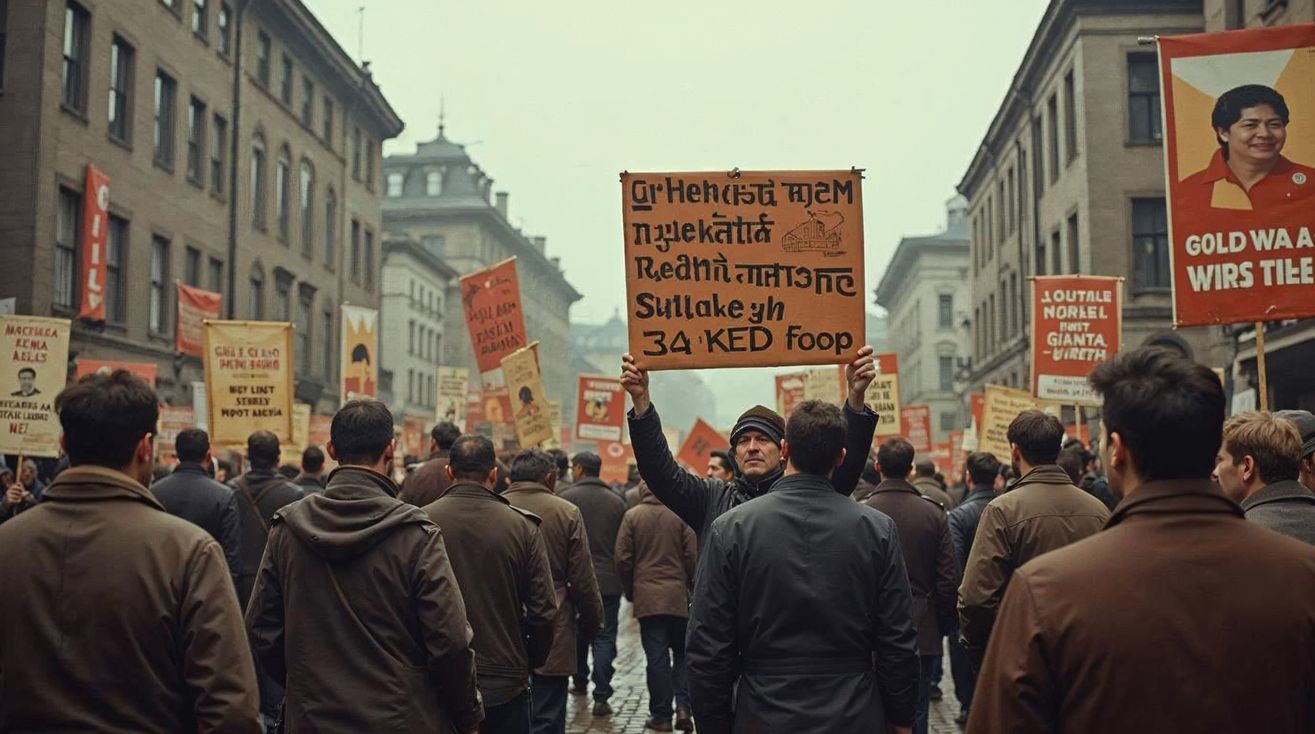
National propaganda campaigns began to inadvertently amplify voices calling for recognition and equality. Groups that were relegated to the fringes found their clamor for rights echoing globally. It was in these moments that identity politics dramatically shifted and grew.
A New Kind of Solidarity
Fast forward to the mid-20th century, and you see a tapestry of identity movements burgeoning worldwide. These weren’t isolated rebellions but interconnected struggles influenced by Cold War narratives. It’s almost poetic how campaigns meant to solidify state narratives ended up emboldening civil rights movements and feminist waves, prominently in places like America and Europe.
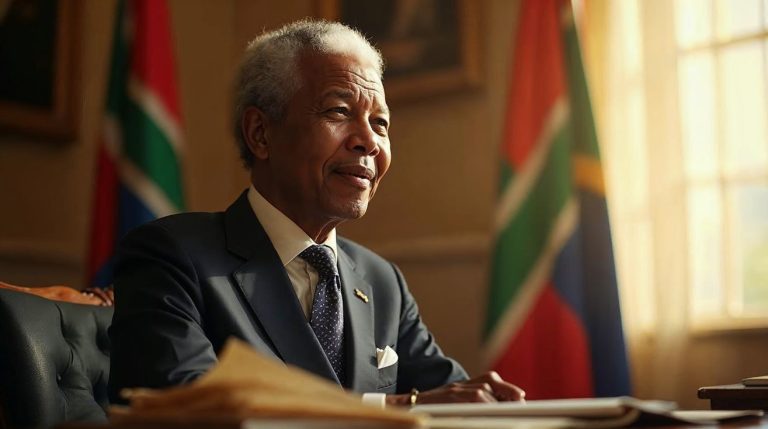
The Civil Rights Movement, for example, was more than about voting rights—it was a part of a broader consciousness-gaining traction, a call for recognition amidst the whispers of Cold War propaganda. Historical resources affirm that the broader socio-political atmosphere significantly influenced these activist waves.
One could argue it’s like a masterstroke of unintended consequences—governments pivoting under international pressures, citizens questioning long-standing prejudices, and through it all, minority groups weaving a shared tale of resistance and identity.
Looking Forward
The Cold War’s influence on shaping modern identity politics is a chapter still being penned. As we delve deeper, it becomes apparent that this era laid an intricate foundation for what we witness today—a world where identities are celebrated and asserted with vigor.
Contemporary scholars and political analysts now reflect more on these silent yet powerful alliances. A History Channel article underlines how these historical currents continue to influence today’s political climates. Indeed, this is a poignant reminder of how yesterday’s tales echo in today’s realities.
And where do we go from here? Well, that’s the thing about history—it’s anything but static. The stories continue to evolve, shaped by ever-changing power dynamics and human curiosity. So, next time you’re pondering modern identity politics over dinner, remember: the seeds planted by Cold War propaganda might just be what took those conversations from tables to headlines.
What are your thoughts on these historical ripples? Have you noticed other unexpected echoes of the past in today’s society? Share your insights, and let’s keep the conversation flowing.