The Civil Rights Movement: Lessons for Today’s Legislative Reform
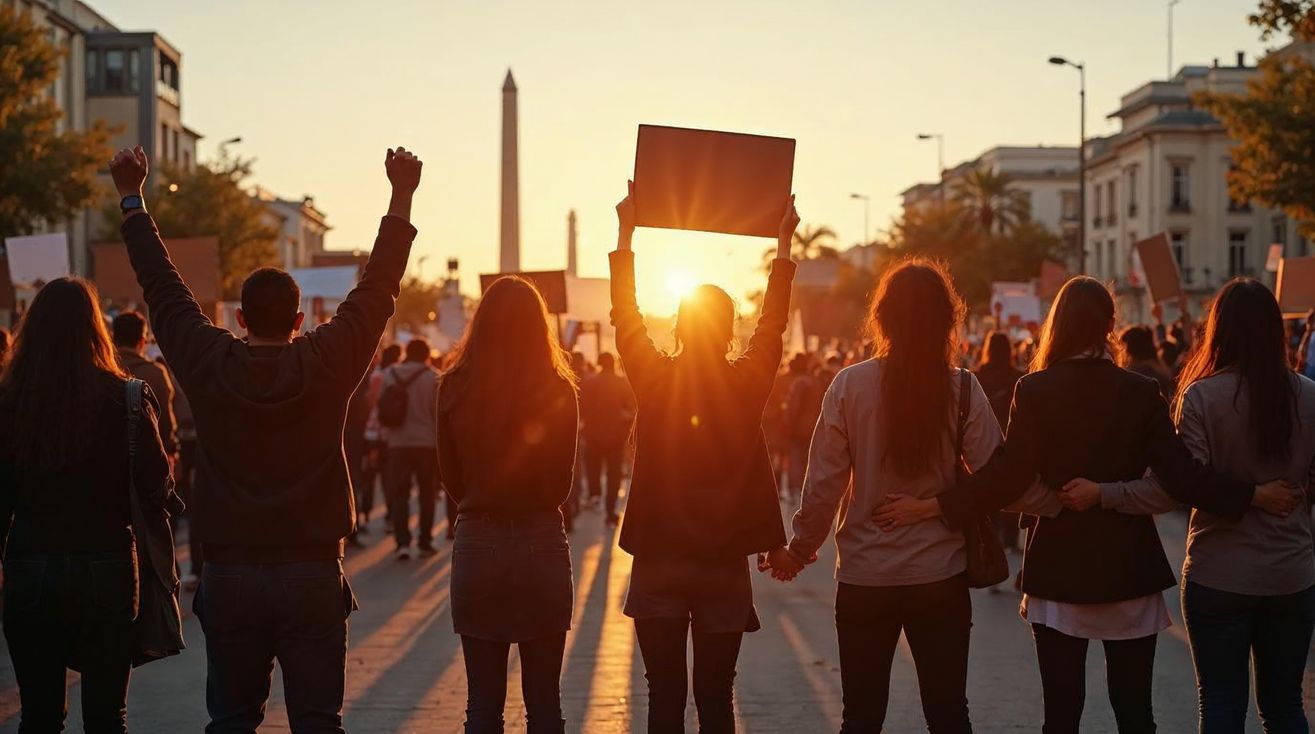
In a world where change is the only constant, the lessons of the Civil Rights Movement still echo powerfully in our lives, influencing thoughts and driving actions. This historic reform era was not just about laws; it was about people, courage, and an unyielding hope for a better tomorrow. But as the conversation shifts to today’s constitutional reform, what can we learn from the past? Perhaps more than we might expect.
Bridging Historical Lessons to Modern Needs
The Civil Rights Movement, a pivotal period of struggle from the 1950s to the 1960s, gave birth to significant progress. It ended legal segregation and dismantled barriers to voting. But let’s be clear: It wasn’t just legislation that changed. Hearts and minds began to shift, albeit slowly. And today, these stories provide profound insights as we examine how constitutional reforms can be shaped for modern needs.
“Harnessing the inspiration of our forebears can help guide current and future policymaking,” explains one historian from a reputable institution. It’s not just about repeating history; it’s about understanding its nuances. You know, those small, yet powerful acts that may seem almost trivial today but held immense weight back then.
The Power of Collective Voices
One crucial lesson we glean from this movement is the power of collective voices. When communities unite towards a common goal, even the seemingly unshakeable can bend and change. During the Civil Rights era, ordinary individuals — teachers, ministers, students — stepped forward. They took risks, engaged in civil disobedience, and sparked change nationwide. Fast forward to today, and you see similar echoes in peaceful protests and civic engagements aimed at constitutional reform.
The transformative power of community doesn’t age. It’s alive, as seen in recent years. According to Pew Research Center, public opinion plays a crucial role in shaping significant policy changes. Hearing diverse perspectives ensures reform embodies a comprehensive understanding of what the populace demands.
Navigating the Maze of Policy Making
Ah, the intricate dance of policy-making. Often, it feels like navigating a labyrinth, doesn’t it? Amid the complexities of governmental systems and procedures, the focus must remain on the core value — equality. The Civil Rights Movement reminds us that great reforms often require patience and perseverance, not to mention a strategic approach that welcomes gradual steps.
It wasn’t just the storied leaders that fueled the Movement, but also the tireless efforts of lawyers and policymakers. Their work culminated in landmark legislation like the Civil Rights Act of 1964 and the Voting Rights Act of 1965 — both turning points. Today’s reformists face different challenges but echo similar core issues around equality and justice. They’re fighting against a backdrop of division and polarization, leaving the question: How do we unite?
Empowering the Future Generations
For each generation, the call to action changes shape. Empowering future generations is a lesson the Civil Rights Movement taught with grace and grit. Today, we witness young activists drawing from a well of historical wisdom as they champion for changes that will shape their world.
The inspiration doesn’t come from a vacuum. Influences trace back to iconic figures and their messages, such as Dr. Martin Luther King Jr. The legacy left behind became a guiding light for current youth movements pushing for constitutional changes, including Youth Power. This organization empowers young people with a voice in policy-making.
To see it in action, take a look at the engaging words from this education expert reflecting on the importance of youth engagement in our future:
As we walk the delicate line between past and present, there’s one undeniable truth: History is never just history. It’s a living memory, a reminder of the road traveled and the journey yet to take. Join the conversation, reflect on the past, and consider what legacy your actions today might leave for tomorrow.