The Iraq War and the Creation of Constitutional Reform
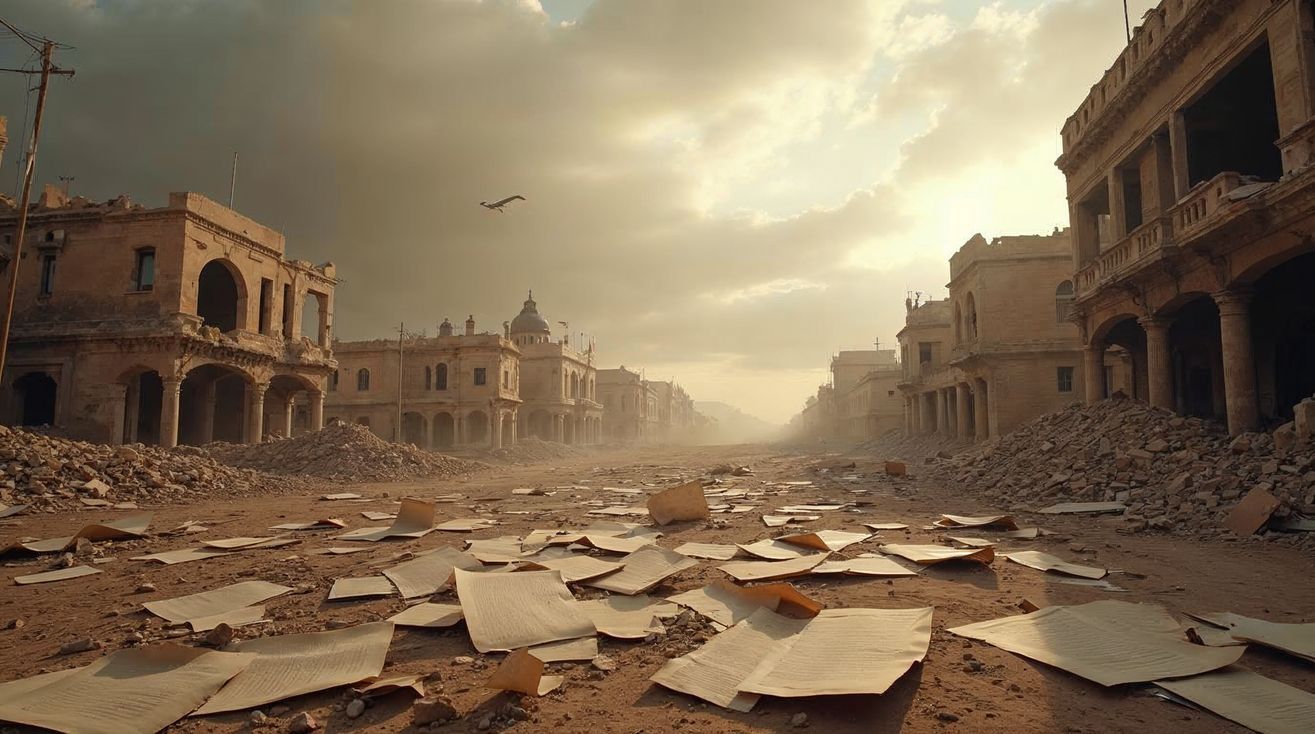
When was the last time you truly stopped to savor a memory? Perhaps it was a fleeting encounter, a scent from the past, or even a favorite song that sweeps you off into another era. This is precisely what the Iraq War signifies for many—a memory, albeit a complex and divisive one, intertwined with the political transformation of constitutional reform.
The Buildup and Unfolding of a Conflict
The Iraq War’s roots extend much deeper than just the first shots fired in 2003. The backdrop involves layers of geopolitical tension, global alliances, and political motivations. And yes, some might say, it’s a tapestry that brings in decades of regional conflicts and power struggles. The invasion led by the United States intended to dismantle Iraq’s alleged weapons of mass destruction—granted, none were found—triggered debates still echoing through policy circles. According to a United Nations briefing, the complexities of the war have reshaped global diplomatic approaches, raising questions about intervention and sovereignty.
Refashioning Political Landscape
In the aftermath, the political fabric of Iraq underwent seismic shifts. The introduction of a new constitution in 2005 sought to stitch together a nation of fragmented ethnic and sectarian lines. And who could have imagined then how that document would guide, govern, and occasionally, ignite further debate? However, the reform process brought promises of democracy tempered by the reality of ongoing violence and political infighting. As a result, Iraq’s constitutional framework stands as both an emblem of hope and a reminder of the war’s enduring impact.
Voices of Iraqi Citizens
Would you believe it if I told you that for ordinary Iraqis, the war left a lasting imprint that goes beyond just political mechanics? You see, it’s not just about policies or treaties but also about everyday struggles and stories. Daily life for many Iraqis was disrupted, their routines shattered and rebuilt amidst a backdrop of uncertainty. The demand for reform was not just a political issue; it was deeply personal. Think about the families, communities, and the resilience in the face of adversity.
To further understand their perspective, you might find this YouTube video insightful, capturing firsthand accounts of the period with a stark, poignant clarity.
The Legacy of Constitutional Reform
Fast forward to today, and you’ll find that the Iraq War’s legacy still reverberates in discussions about governance and law. The attempt at creating a cohesive political system amid such a multilayered society is no small feat. Current debates often center around how these reforms—though ambitious—have evolved and adapted. There’s a palpable tension between the intended ideals of democracy and the ground realities faced by those in power and the ordinary citizens alike.
The ripple effects of the Iraq War and its catalyzed reforms are not limited to Iraq but serve as a cautionary tale globally. They remind the world of the delicate balance between intervention, sovereignty, and the unpredictability of post-war reconstruction.
When you pause to consider it, how many other events in modern history have molded a nation’s trajectory so profoundly? Engage with this legacy, challenge it, and perhaps, as we collectively reflect, let’s listen actively to those voices from the ground.
In choosing to explore these narratives, we deepen our understanding of the human stories that underpin political transformations. Share your thoughts—really, let’s start a conversation about what constitutional reform means to you, wherever you are.