Student Protests of 1968: Insights for Today’s Democracy
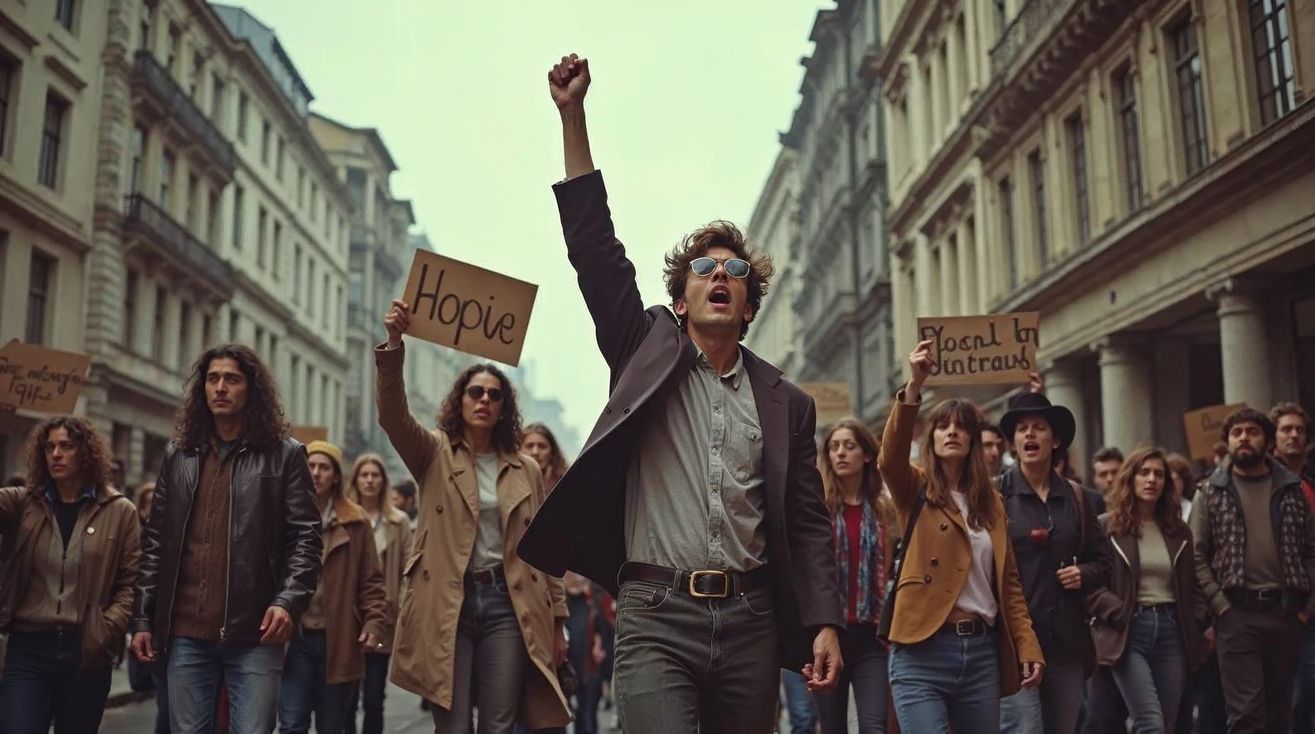
The year 1968 was a seminal moment when student protests erupted globally, a fierce cry against war, oppression, and inequality. But why, decades later, do these events still resonate in our democratic discussions? Well, let’s dive in and explore their lasting legacy and the lessons they offer.
The Catalyst: An Era of Change
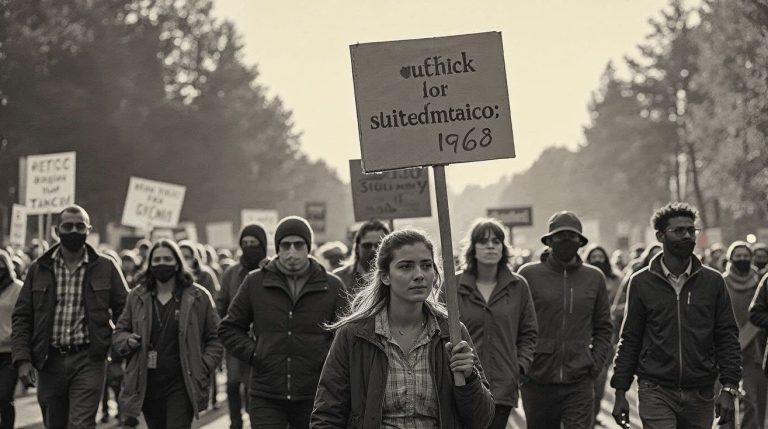
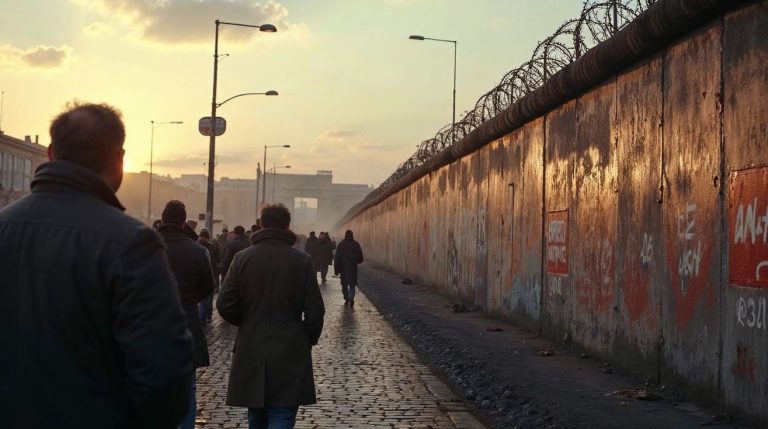
The late 1960s were bubbling with social upheaval and change. Young people, many who were college students, became the driving force of protests, not just in the U.S., but worldwide. It was a time of political awakening as society grappled with monumental issues like civil rights, Vietnam War, and gender equality. According to a History.com article, these movements were partly fueled by the turbulent political atmosphere and partly by a growing sense of empowerment among the youth.
Fast forward to today, why do these protests still matter? Well, they’re more than just history. They symbolize a powerful display of hope and determination that democracy thrives when citizens are engaged and vocal. Through their actions, they taught the importance of voicing dissent and striving for a better society, lessons that couldn’t be more relevant now.
Global Echoes of Student Voices
In 1968, the protests spread like wildfire from Paris to Prague to Mexico City. The global connectedness of these movements was remarkable and somewhat unique for that era, lacking the digital tools we have now. YouTube, TikTok, or Twitter weren’t around to amplify messages instantly. Yet, the spirit of those protests found ways to cross borders and inspire young people everywhere to demand change.
One might wonder how these protests managed to create such a cohesive international front? Well, it often boiled down to common grievances: disillusionment with government, demands for freedom, and a longing for peace. An article from Britannica highlights how, especially in France, this led to profound social changes, reshaping public policies and inspiring future reforms.
A Burst of Creativity and Culture
The 1968 student protests weren’t just about placards and slogans. This period also saw an explosion of creative expression and innovation. Music, literature, and art flowed from the enthusiasm of the times. Bands like The Beatles captured the zeitgeist with songs that became anthems of the era. This rich tapestry of culture intertwined with activism, giving people a sense of unity and shared purpose.
And let’s not forget films and documentaries that emerged, capturing the raw energy of these protests. They held a mirror to society’s struggles and triumphs, something today’s creatives continue to harness and explore, capturing the complex interplay between art and activism. A recent video essay I stumbled across on YouTube delves into this phenomenon, showcasing how modern artists draw inspiration from the past.
Lessons for Today: The Echoes Continue
Here we are, more than fifty years since those fervent days, facing our own set of challenges. Climate crisis, social inequality, and political polarization demand our attention. The legacy of 1968 reminds us to persist, to never underestimate the power of a collective voice. From the streets to social media, the platforms might have changed, but the message remains: engagement is crucial.
Today’s activists can draw inspiration from those protests. They serve as a reminder that standing up and speaking out, sometimes in the face of impossible odds, can lead to significant reforms. It’s about maintaining that energy, holding up that banner for democracy and freedom, much like 1968’s brave individuals did. As pointed out by experts, democracy only truly works when people actively partake in shaping it.
In conclusion, the legacy of the 1968 student protests is very much alive and kicking. It’s a poignant reminder, particularly in today’s tumultuous times. So, what are we waiting for? Let’s take these lessons to heart and keep the spirit of change and progress thriving. Your voice matters — use it.