Remembering The End of Apartheid in an Era of Identity Politics
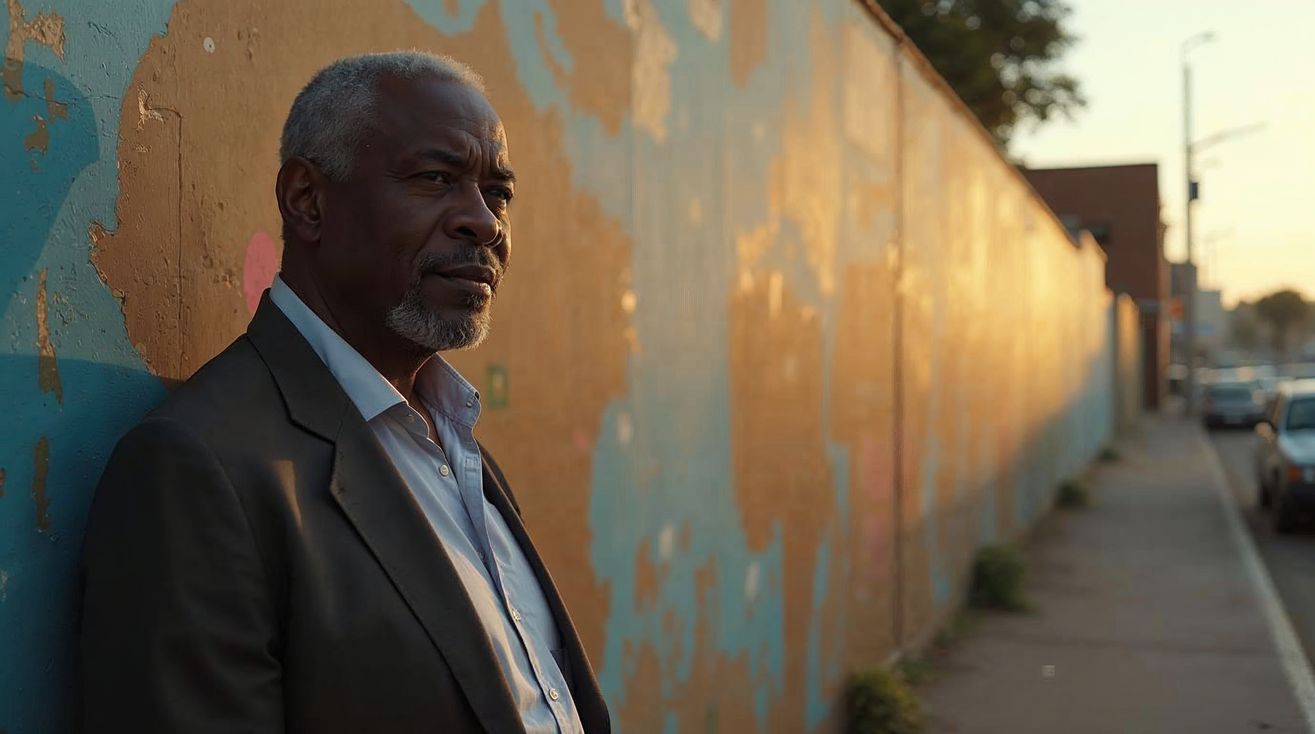
Imagine standing on the edge of a monumental moment in history—one that reshaped a nation’s identity. The end of apartheid in South Africa is such a moment. It lures us to reflect, especially today, amid the swirling currents of identity politics. But what does it really mean for us now?
The Twilight of Apartheid
Apartheid wasn’t just a word; it was a system meticulously constructed to oppress. This policy, with its roots dug deep into racial segregation, lasted for nearly half a century. It’s haunting to ponder how such a blatantly unjust system persisted until the early 1990s before finally crumbling. People worldwide celebrated, and yet, in that celebration was an underlying dread. What would come next?
During this period, figures like Nelson Mandela emerged from the shadows. Mandela wasn’t just a leader; he became a beacon of hope and resilience. His release from prison after 27 years was not only historic but a moment that brought many to tears. Imagine the weight on his shoulders—he now had to mend a divided nation, and realistically, not everyone thought it possible.
An Identity Reconstructed
With the fall of apartheid, South Africa faced an arduous task: rebuilding identities that apartheid had deliberately shattered. Nations worldwide were watching, curious, perhaps skeptical, as this transformation unfolded. Identity politics soon became a new arena of battle. How could a country so torn apart reconcile its differences?
Let’s consider a poignant moment. Imagine a South African family, each member entangled in their paralleled yet distinct struggles. Perhaps the parents had lived through decades of enforced division, while their children were growing up in this newfound, yet fragile, freedom. This isn’t a textbook tale—it’s real, incredibly real.
As part of reconnecting this fractured identity, South Africa implemented the Truth and Reconciliation Commission. This initiative wasn’t just about finding facts; it was about healing. Archbishop Desmond Tutu, a towering figure in this process once described it as a “pain in the soul,” highlighting the sheer human effort involved.
The Global Echo of Apartheid’s Demise
Interestingly, the story didn’t end with South Africa. Many nations began to reflect on their own issues of inequality and racism. Questions about identity, fairness, and social justice began to echo far beyond South African borders. How could they not?
For example, according to a United Nations report, the struggle against racial discrimination is a global challenge today. The world realized that apartheid was not just South Africa’s scar—it was a beacon for change, urging introspection globally. How could other nations learn from this, they wondered?
The global conversation on identity politics today—controversial as it might feel—found part of its voice in the lessons from apartheid. Lessons on patience, on dialogue, and on the hard-won nature of progress. And yet, it still feels as if we are all taking cautious steps forward into an uncertain but hopeful future.
Beyond Borders: Continual Reflection
For today’s generation, understanding apartheid seems like delving into the past, and yet its relevance is undeniable. Whether through literature, stories, or personal testimonials, there are layers of lessons still waiting to unfold. How do we ensure that these stories remain a part of our collective consciousness?
There’s a TED Talk that resonates deeply with this journey, bringing personal stories and experiences to the fore. This type of media not only allows us to reflect but also to empathize and connect more profoundly. Here’s a glimpse of such a powerful narrative:
Listening and learning from these shared histories are critical now more than ever. After all, identity politics isn’t just an abstract concept—it’s made up of personal stories, struggles, and triumphs. And yes, it happens more often than you’d think, that these stories guide us in the democratic processes we navigate today.
As we tread through the complexities of modern identity politics, the end of apartheid serves as both a reminder and a map. It tells us what’s possible when humanity stands united for change. So here we are—reminiscing, reevaluating, and hopefully, progressing.
Why not join the conversation? Share your thoughts, stories, and reflections. Every voice plays a part in shaping our collective understanding, and yours might just be the spark that reignites action or compassion somewhere in the world.