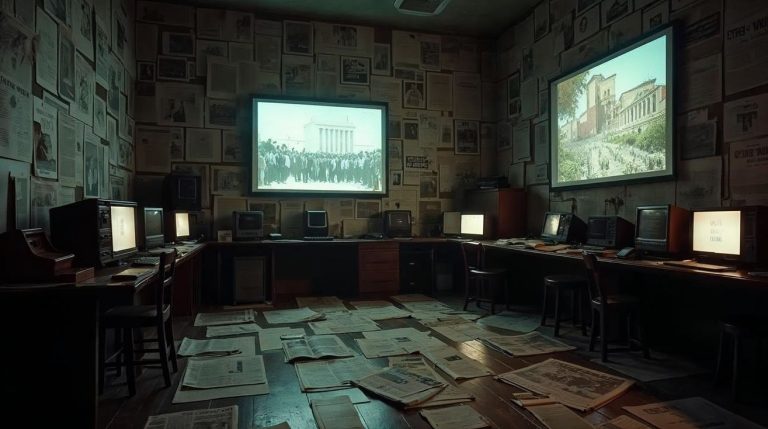
When The Civil Rights Movement Became a Turning Point for Media Policy
Every so often, a simple action or decision turns into a momentous ripple, shifting perceptions and changing the game altogether. So was the case with the Civil Rights Movement, a time that, for many, was an awakening not just of conscience but also of curiosity. What made it such a profound period for media regulation, you ask? Well, let’s peel back the layers.
The Power of Television: A Double-Edged Sword
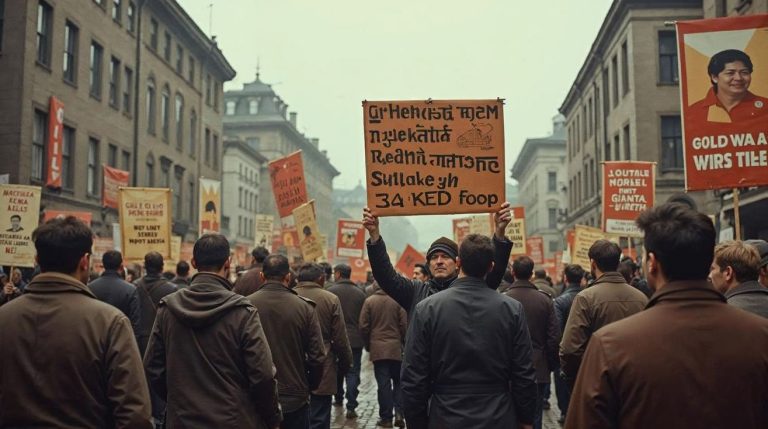
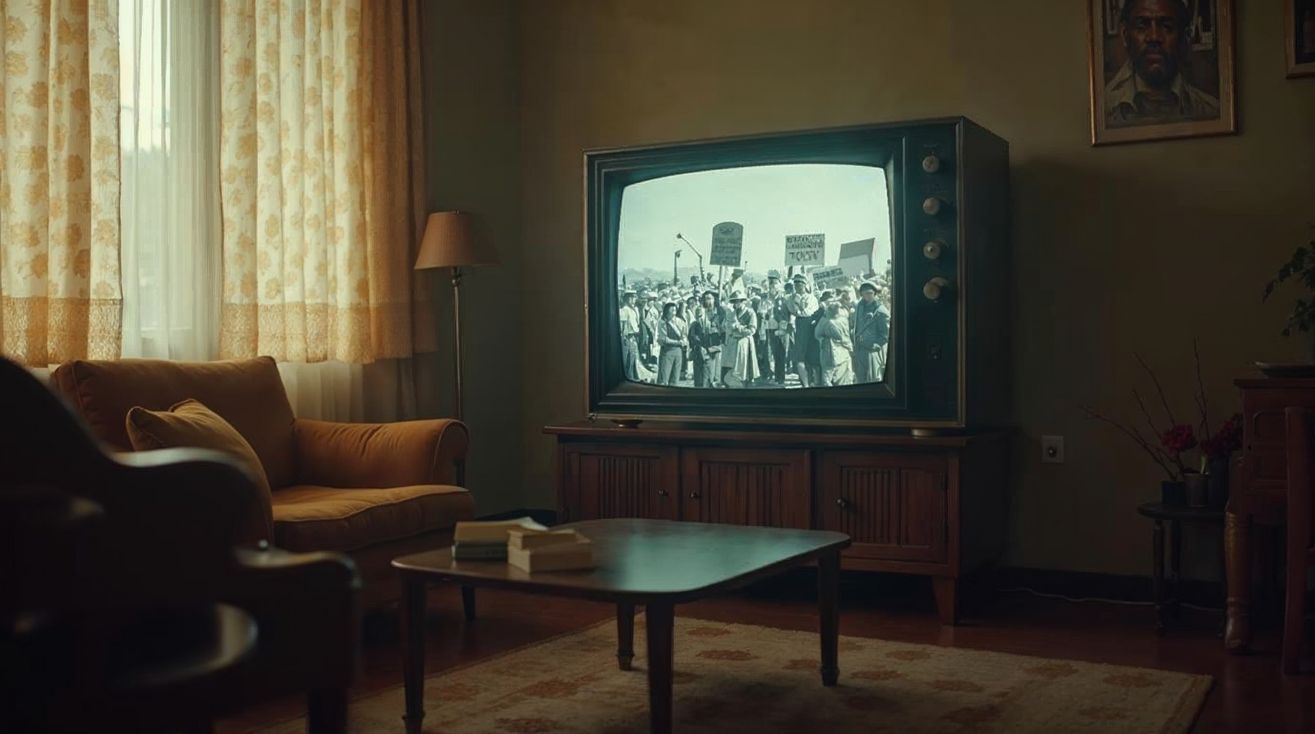
You could almost feel the tension hanging in the air. The 1960s, a decade of upheaval, was a time when television carved a unique space in American living rooms. It wasn’t just an entertainment source—it was a medium that started crafting public opinion. Some even called it a second revolution in the home. Television screens flickered with images of protestors, their chants becoming a relentless soundtrack that echoed during dinner times. The impact was instantaneous. It made people not just glance, but really see.
According to a History.com article, this relentless media coverage showcased the brutality and the courage that pervaded the Civil Rights Movement, and it unarguably piqued the public’s consciousness. The era effectively tugged at the moral seams of society, bringing uncomfortable but crucial truths to light. Yet, television also had its biases. Not every story saw the light, and not every voice was heard.
Regulating the Chaos: Why It Mattered
If you think about it—really think—it’s startling how media regulation during this period began shifting ground. Authorities faced the challenge of balancing too much power in too few hands. They didn’t want a repeat of skewed narratives. It was crucial to regulate who got to say what and how they said it. The Federal Communications Commission (FCC) shouldered much of this responsibility, walking a tightrope as they forged new policies.
It wasn’t just about controlling frequencies and licenses. It had grown into a deeply moral issue. Policies started reflecting the need for fairness and balance, ensuring that the stories on television felt trustworthy. And honestly, it was time for those in power to reckon with the influence television wielded over real-world events.
Public Perception: A Changing Tide
What does regulation ultimately affect? Well, public perception, for starters. It’s easy to downplay, but perception is everything. During the Civil Rights Movement, for example, people’s opinions were not just shaped by what they heard from activists or read in the newspapers. No, this was about the visceral impact of seeing events unfold on screen, right before their eyes.
An expert from the time commented, “There was no turning back after you saw the footage. It was raw and it was real,” emphasizing the extraordinary power broadcasting had on awakening social consciousness. Regulation was imperative to ensure that both sides of a story could build trust, and authenticity was on the line.
Legacy and Lessons: Fast Forward to Today
Fast forward to today, and the ripple effects are still palpable. The landscape of media regulation has evolved, yet the core concerns about power dynamics in media messaging remain strikingly familiar. Our modern digital age echoes these issues, albeit in different, often more complex ways. It’s fascinating—and a little unnerving, isn’t it?—to see how yesterday’s regulations set precedents for the media challenges we face today.
We carry forward lessons that resonate through judicial decisions and media literacy campaigns. We see it in how platforms attempt to counter misinformation or the nuanced ways in which algorithms have been scrutinized for bias. Yet, the initial focus remains: ensuring diverse voices and truthful representation.
In reflecting on this pivotal moment in media regulation history, it becomes clear that *awareness* and *action* were the era’s true lasting legacies. And while we’ve come far, we still have miles to go.
Think you’re ready to dive deeper? Engage more with your media, question what you see, and never forget the lesson that the Civil Rights Movement taught us about vigilance and change. After all, history has a curious way of repeating itself when we least expect it.