The Long Shadow of The Collapse of the Berlin Wall in Democracy
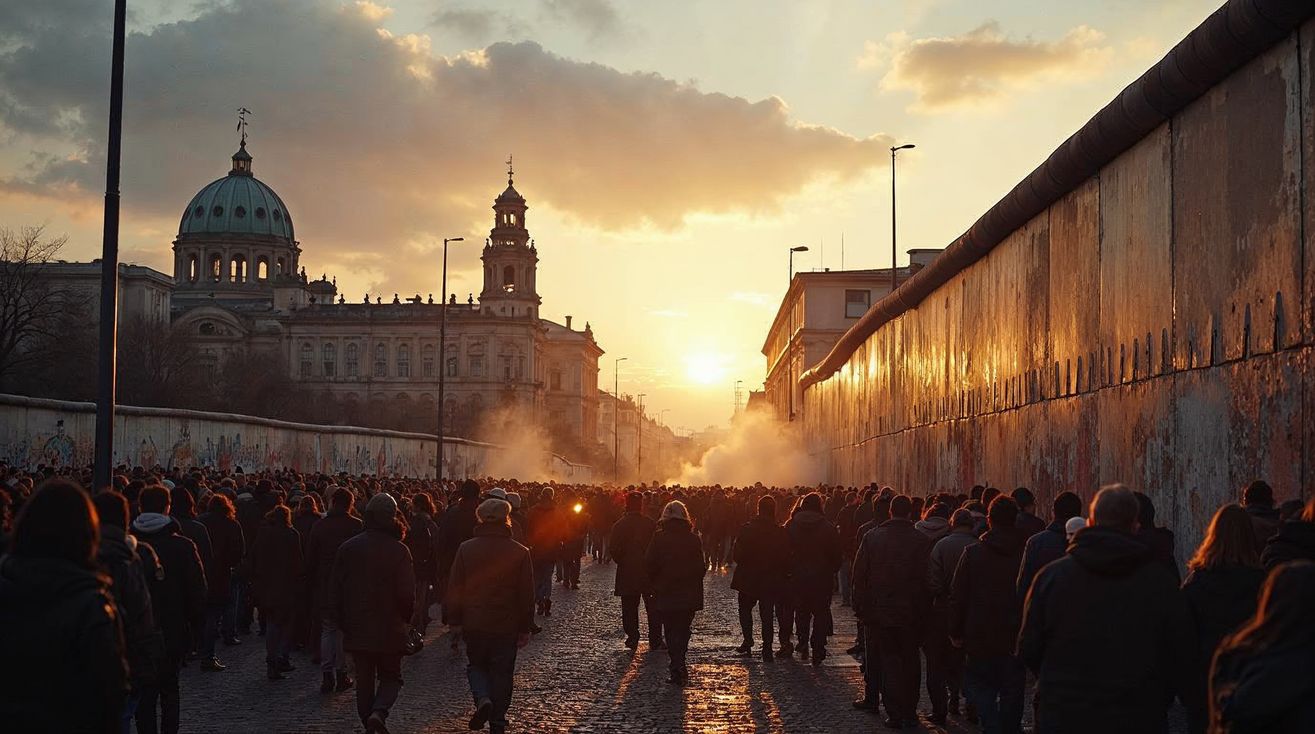
The Berlin Wall’s fall wasn’t just a physical teardown; it was a powerful symbol of a world in flux. How did it continue to affect democratic ideals? It’s a question that lingered long after the dust settled. The act did more than just reshape geography; it transformed lives and ideologies, echoing across decades with complex ramifications.
The Initial Shockwaves of Liberation
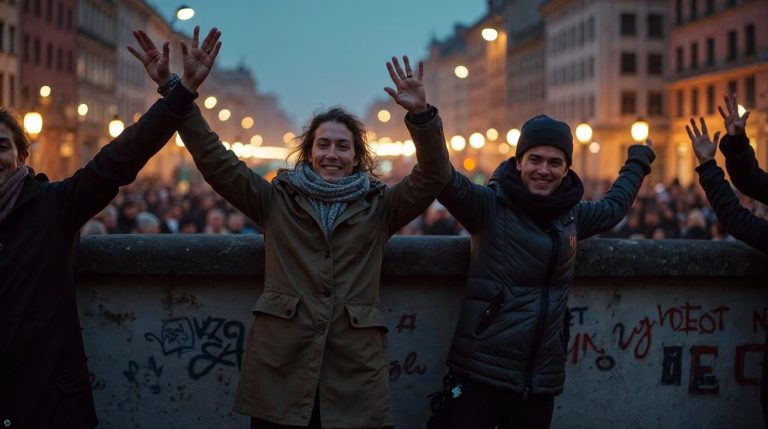
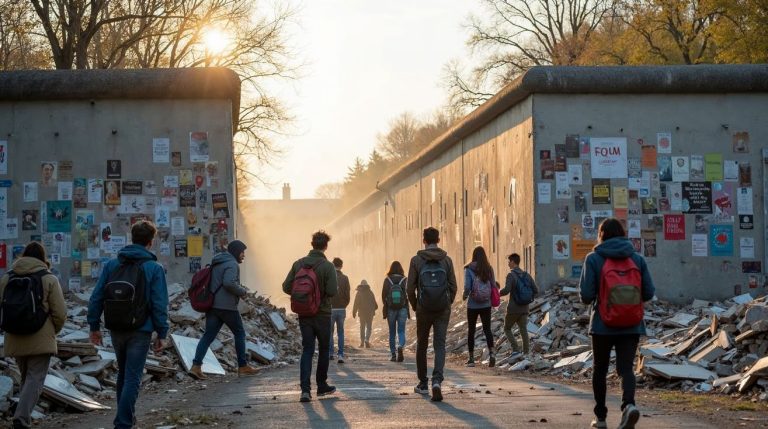
When the Berlin Wall finally collapsed on that fateful day in 1989, it stood as not just the end of an era, but the beginning of a new world order. There was a buzz, a palpable joy on the streets of Berlin, where families and friends long separated finally reunited. And yet, if you look closer, you can see it wasn’t solely a moment of celebration; it also marked a surge in global democratic fervor. According to an NPR analysis, the fall of the Wall accelerated shifts towards democracy throughout Eastern Europe, as nations saw the possibility for their own paths to freedom.
The Economic and Political Roller Coaster
Things didn’t settle down with just the wall crumbling. The dismantling triggered unanticipated economic challenges and political shifts. Eastern European countries faced hurdles in transitioning to market economies after decades under communist systems. Imagine having relied on a safety net all your life, only for it to vanish overnight. The political scene wasn’t any less tumultuous: new parties arose, old ones disappeared, and electoral challenges abounded — and honestly, it was surprising, really surprising, how quickly some transitioned while others struggled profoundly.
One must also consider Germany’s unique story. The merge of East and West was a mammoth task, requiring not only patience but a deep pool of resources. To grasp how massive this was, consider that experts frequently compare this integration to rebuilding a country from scratch. The social melding of two distinct worlds tested the patience and resilience of its people, yet it managed to emerge stronger on the other side.
Influence on Global Democratic Movements
The images of the Berlin Wall’s fall, broadcast worldwide, were themselves sparks lighting fires of change elsewhere. People lived through those moments again via grainy video footage or live television, inspired to push for their own liberation. For instance, the so-called Velvet Revolution in Czechoslovakia quickly followed, demonstrating that peaceful change was possible. According to a Guardian op-ed, the fall also influenced pro-democracy protests far beyond Europe, from Tiananmen Square to South America. These links showcase the deep undercurrent that connected far-flung struggles for freedom.
Current Reflections in Today’s Democracies
Today’s democracies can still feel the palpable echoes of the Wall’s collapse. If you closely observe, you’ll see how post-Wall politics reshaped global alignments and continues to influence them. NATO expansion, as controversial as it became, is a direct outcome of those earlier reunifications and the desire of former Warsaw Pact countries for security guarantees. In a world where alliances are constantly questioned, it’s crucial to remember how history paved the way for certain outcomes — outcomes planted decades ago.
Beyond political alliances, the fall also inspired deeper human values worldwide. Trust in people power surged, although today, skepticism often tempers enthusiasm. It’s easy to romanticize the past, but current movements demanding justice and equality often find their roots in the courage of those who first dared to challenge oppressive regimes, back when cynicism might have seemed an easier route.
The Berlin Wall’s legacy is a constant reminder — a reminder with lessons still resonant in the face of rising authoritarianism. Freedom, as evidenced by history, often comes at a high cost, but the enduring spirit and power of peoples united in purpose cannot and should not be underestimated.
So, where do we go from here? As guardians of hard-earned freedoms, it’s up to us to uphold these lessons in these unpredictable times. Perhaps in reflection, we’ll find not just memories, but motivation for the future. Consider this a call — no, a gentle nudge — to stay vigilant, to remain hopeful, and to continue nurturing the ideals set in motion the day the Wall fell.
To explore further, be sure to watch the embedded footage below that captures iconic scenes from the day the Berlin Wall fell.
Remember, history isn’t just a series of events, but a living, breathing guide for everything that lies ahead. Stay curious and vigilant, for our shared narrative is more powerful than the division we leave behind.