How The Fall of the Berlin Wall Influenced Modern Higher Education
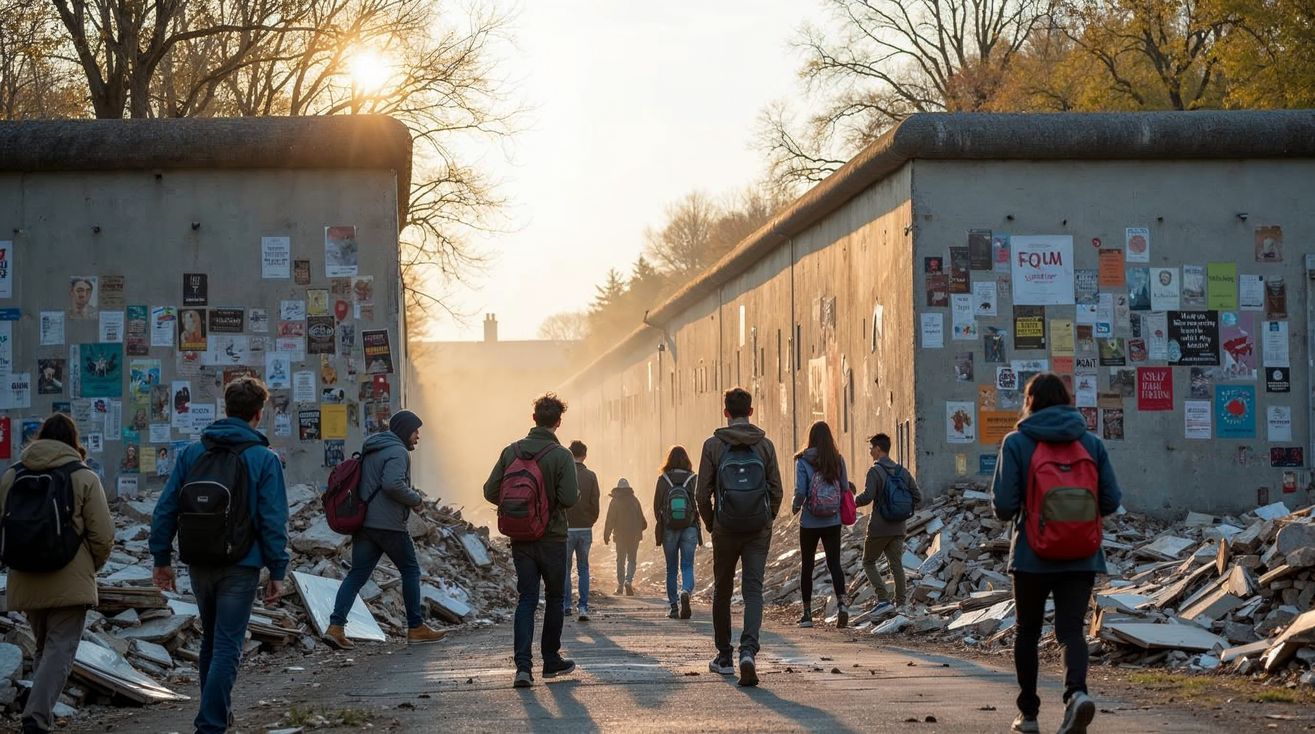
The fall of the Berlin Wall is a pivotal moment in history, echoing far beyond Cold War politics. Could it, perhaps, be seen as a turning point for modern higher education as well? It’s a question easily overlooked, yet it holds surprising depth. The dismantling of that symbolic divide transformed not just geopolitics but opened unexpected avenues for academic landscapes worldwide.
A Shift in Global Education
At the very heart of this seismic change was the renewed exchange of ideas and cultures between the East and the West. The collapse of the wall was more than a physical act—it was a metaphor for the free flow of intellectual thought, which universities were quick to embrace. Many institutions began to re-evaluate and broaden their academic offerings, integrating once-separate ideologies and methodologies. This sparked an era of unprecedented collaboration, a rhythm of cooperation that some might say is really the lifeblood of true academic growth.
According to a detailed analysis by the Inside Higher Ed, the influx of Eastern European scholars into Western academies introduced new subjects and viewpoints, enriching the tapestry of higher learning. You see, there’s an art to merging these diverse perspectives—it doesn’t happen overnight and requires patience and dedication. But when it does, it feels like a symphony of ideas.
Opening New Doors for Innovation
Was it the birth of a new era? Many argue it was. The open borders opened worlds of opportunity for students and faculty alike. Decades-old research fields were revitalized with new insights as collaborative efforts spanned across newly contactable corners of the globe. Students could wander beyond their national borders with increased ease, participating in exchange programs that seemed like distant dreams before the wall fell. The demand for bilingual and international programs soared, offering a wider horizon of courses that integrated global perspectives.
It wasn’t just the academics stirring the pot. As Professor Ana Smith, a notable figure from the European Education Think Tank, once reflected, “The fall of the Berlin Wall tore down more than just a physical barrier—it dismantled the mental ones too, encouraging academic risk-taking and innovation. Education hasn’t been quite the same since.”
Unfolding Potential Through Technology
And then, there was technology. The post-Berlin Wall world witnessed a rapid technological advance that quietly crept into the classrooms. With open avenues for dialogue and a newfound thirst for knowledge, universities were bolstered by digital advances. Courses on computer science and technology weren’t merely in high demand—they became a necessity.
Universities started investing heavily in tech infrastructure, preparing to equip future generations with the skills to thrive in an increasingly digital world. This strategic shift catalyzed the emergence of online learning platforms and helped pave the way for the digital learning models we see today. It sounds obvious in hindsight, but back then, it was the tip of a revolutionary spear.
Surprisingly, it’s said that by uniting Cold War adversaries, educational institutions unknowingly forged a collaborative frontier in technological innovation. Remember, it’s those seemingly small choices that often energize tectonic shifts.
Global Educational Cooperation: A Legacy
Finally, the legacy of the Berlin Wall touched the very core of global academic cooperation. There’s no denying that institutions worldwide still feel the ripple effects of those changes today. Formerly closed nations embraced the global academic community, fostering an environment where knowledge knows no borders—literally and figuratively.
International conferences proliferated, cross-border projects became commonplace, and research funding saw a dramatic increase in allocation for global collaborations. Admittedly, not every experiment is successful, but even those small, everyday failures teach us something valuable.
All in all, the fall of the Berlin Wall should remind us of what’s possible when barriers—both physical and intellectual—come down. And isn’t that something? The way change unfolds dramatically, yet so humanly.
The discussion doesn’t end here. If you have a perspective or story about this transformational period, we’d love to hear from you. Dive into the comments or share your thoughts on social media. Let’s continue the conversation and explore how history shapes our world today.