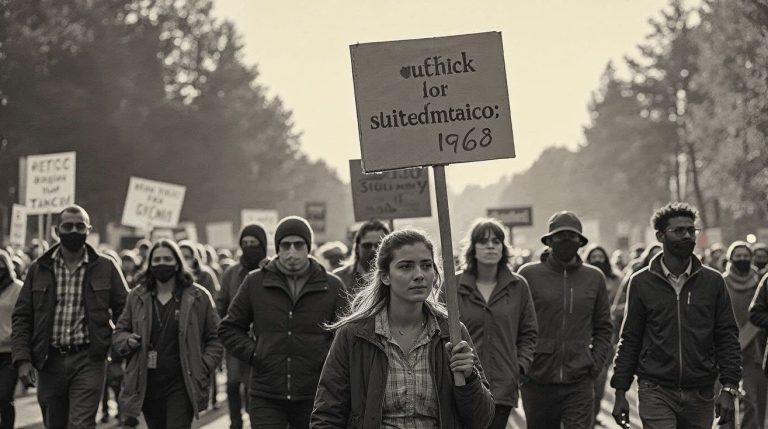
How The Civil Rights Movement Influenced Modern Security Policy

In an era where digital threats loom large, there’s a lesser-known story — how our past struggles for equality have directly influenced how we stay safe today. Yes, the way in which the Civil Rights Movement shaped modern security policy might surprise you. From demands for fairness to the very laws that protect us, it all intertwines. You almost feel the echoes of the past guiding us even now, don’t you?
The Movement: Echoes in Policy
The Civil Rights Movement, a pivotal moment in U.S. history, wasn’t just about racial equality — although that was central. It also laid the groundwork for many principles that guide current security measures. Funnily enough, the struggle for dignity and equity had rippling effects on legal standards for surveillance and privacy. Take, for example, the issues around personal freedom and oversight, which are debates we continually revisit today.
According to a timeline by History.com, many legislative gains achieved during the Movement have parallels in today’s security policies. The emphasis on checks and balances, for instance, often draws from lessons learned during that era.
Privacy and Oversight
When thinking of the Civil Rights era, the concept of oversight might not immediately spring to mind. Yet, the connection is stark and clear. The Movement emphasized the need for oversight in government actions, advocating for laws that shielded individuals from abusive practices. Fast forward a few decades, and you’ll find these ideas embedded in discussions about digital privacy.
If you consider the modern battle for data protection, the historical demands for oversight set a precedent. Activists’ calls for transparency and accountability echo today in the clamors for data privacy legislation. To visualize the unfolding of this journey, you might watch this , which shows how privacy advocacy continuously evolves.
Legal Structures Born from Struggle
Embedded within our systems today are regulations that draw inspiration from civil liberties secured during the Civil Rights Movement. Acts protecting against unwarranted surveillance have roots in civil rights law. It’s curious—when you consider how major legal victories achieved through protests and legal challenges of that period are still relevant.
The Freedom of Information Act, for instance, was a product of repeated demands for transparency — a theme dominant in the Movement. This act, along with others, fortified legal structures ensuring the public’s right to information, a cornerstone in both civil rights and security law. And yes, it’s these same foundations that pave the way for modern transparency measures in homeland security.
A Continued Pursuit of Equality
Let’s not forget — the struggle didn’t end; it merely evolved. Inequality persists, and the demand for equitable treatment finds new battlegrounds. Modern security policies continue to be shaped by ongoing civil rights struggles, informing laws that govern how and when security measures can be applied without infringing on personal freedoms.
A poignant reminder comes from a report by the ACLU. This still-relevant document underscores how civil liberties must be upheld, even as security measures strengthen. The dual pursuit of safety and freedom continues, with lessons and inspirations from the past leading the way.
In conclusion, as we grapple with contemporary security challenges, it’s fascinating to see how the Civil Rights Movement’s quest for justice resonates. These aspects of modern policy, woven into our legal fabric through struggle and advocacy, remain as enduring as ever.
Want to learn more about how history influences today? Keep exploring, stay informed, and remember, every chapter in history holds a lesson worth uncovering.