The End of Apartheid and the Creation of Foreign Policy
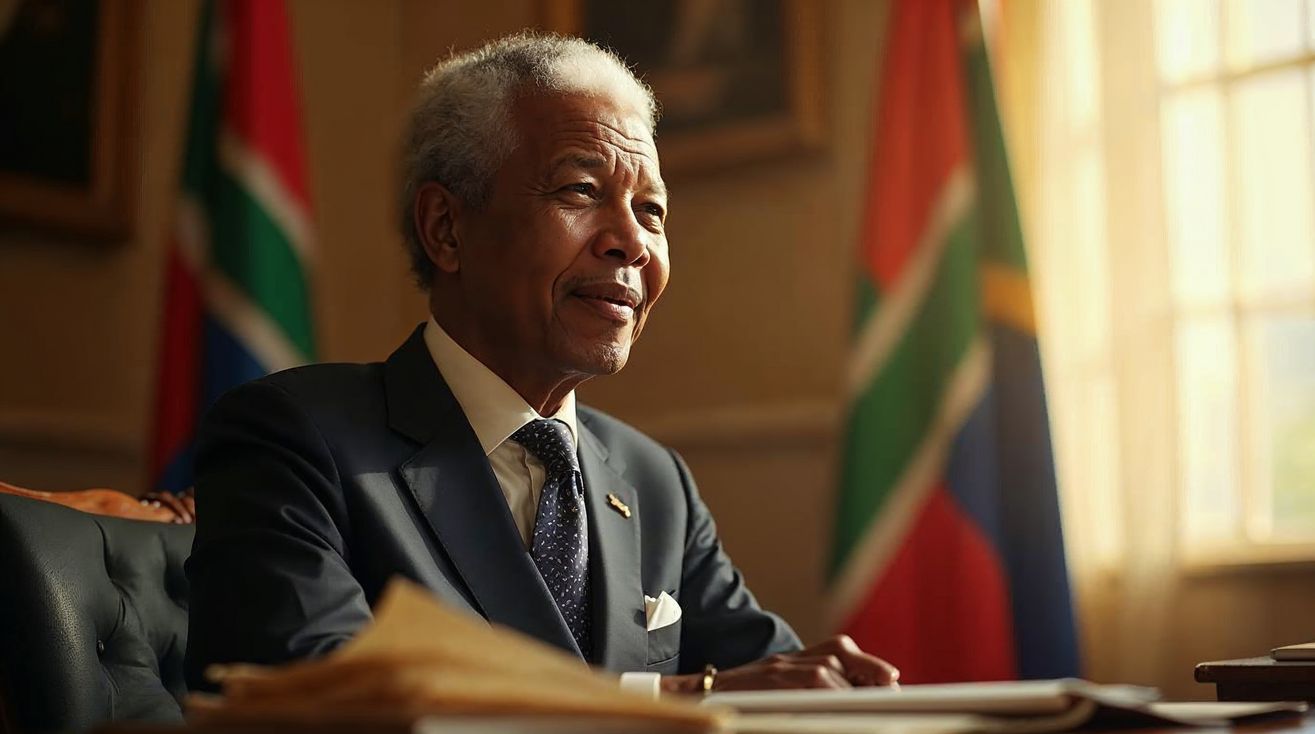
The noise from the bustling streets fades as you step into a quiet café, a place where time almost stands still. Here, the history of foreign policy intertwines with a pivotal moment in history: the end of apartheid. But how did one influence the other?
A tale often overlooked, the relationship between these two monumental changes offers insights into the complex dynamics at play during South Africa’s transition. The story isn’t just about diplomacy; it’s about people, politics, and profound change.
Understanding the Atmosphere of Change
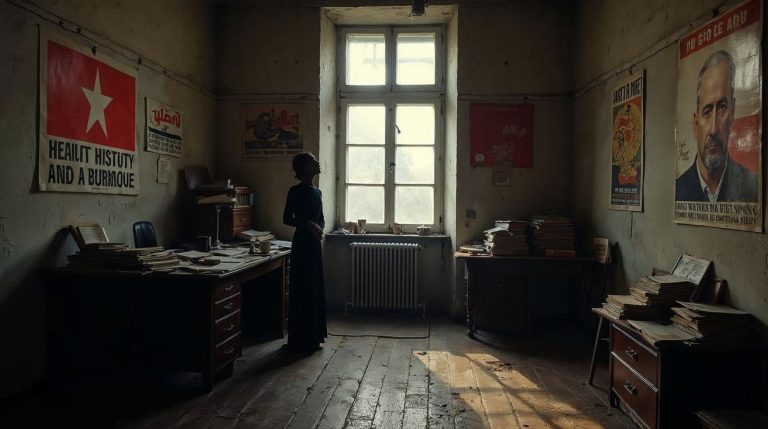
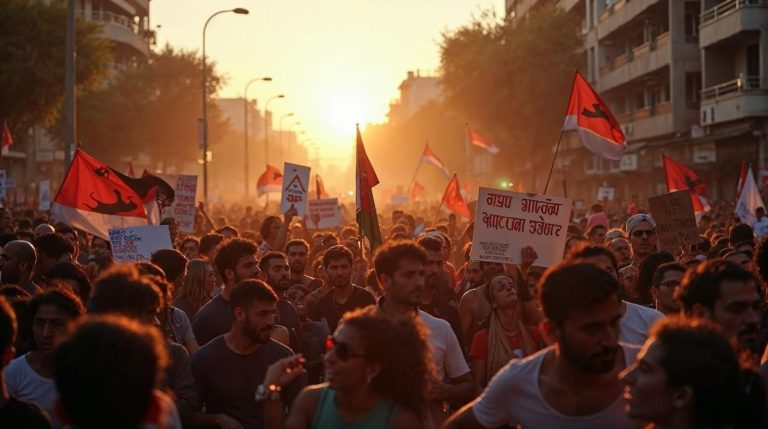
When we talk about the end of apartheid, it’s crucial to understand the global atmosphere at the time. The world was on the verge of change, and the pressure was mounting. From the cold, sterile halls of the United Nations to the vibrant protests on the streets of Johannesburg, the call for justice was palpable. According to a UN report, the international community played a pivotal role by imposing sanctions and endorsing boycotts, a move that echoed the determination of people who’d had enough.
The apartheid regime faced not only internal resistance but also a storm of external condemnation. Nations, once passive about South Africa’s racial segregation, began taking serious stances. The pressure for change was not just political; it was deeply personal for millions.
Diplomacy and Its Role in Transition
South Africa’s transition from apartheid to a democratic state also reflects the evolving craft of diplomacy. Behind closed doors, seasoned diplomats and fervent activists engaged in delicate negotiations. Each conversation carried the weight of history. It wasn’t simply about politics; it was about setting a precedent for future governance.
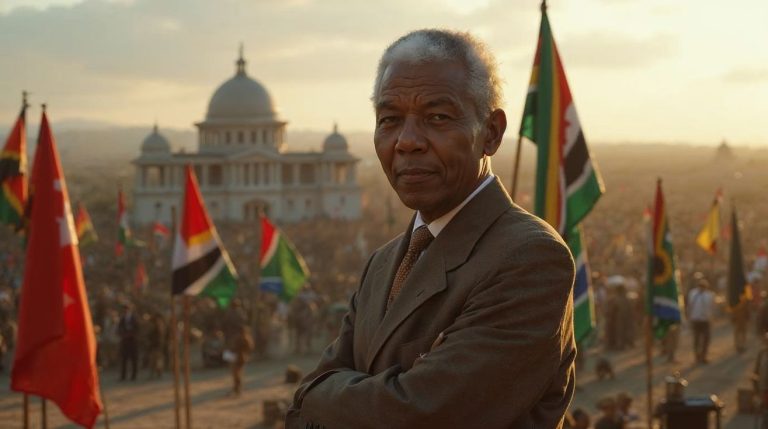
At this juncture, it’s fascinating to note how the African National Congress (ANC) leveraged these diplomatic channels. They communicated not just through officials but through cultural exchanges, art, and music, illustrating the power of soft diplomacy. Nelson Mandela, a symbol of resilience and wisdom, was central to this narrative. His ability to combine forgiveness and firmness guided South Africa towards a new dawn.
Challenges and Triumphs in Policy Formation
Creating a foreign policy for the new South Africa was akin to crafting a sculpture from rough stone. Ambitious and visionary, yet requiring precise attention to detail. Each decision needed meticulous consideration—should they forge new alliances or mend old ties with countries previously critical of the regime?
The debates were not just limited to the echelons of power but resonated with ordinary citizens. People were eager, perhaps anxious, about how South Africa would present itself to the world. The shift necessitated a reflective stance, allowing leaders to incorporate lessons from the past while embracing a future committed to equality and cooperation.
Mandela’s words resonate here as he once said, “Our human compassion binds us the one to the other.” This philosophy seeped into the very fabric of South Africa’s foreign policy, emphasizing an inclusive approach over one dominated by isolation or division.
Modern Implications and Reflections
Reflecting on these events, we realize their significance persists. The impact of apartheid’s end on foreign policy did not just reshape South Africa but also influenced global perspectives about unity and justice. Countries around the world took note, reassessing their own policies in the light of South Africa’s profound transformation.
Fast forward to today, and the lessons from this transition remain relevant. Conversations surrounding diplomacy no longer exist in silos. They cross into social, cultural, and economic realms — a testament to how interconnected our world has grown.
In a way, South Africa’s evolution serves as a reminder of the power of collective action. It is a story of how people, despite differences, can come together towards a shared vision. This narrative is further echoed in contemporary diplomacy, urging nations to build policies not just on the foundations of interest, but on understanding and empathy.
As you mull over this insightful journey, remember what sparked the beginning of this story. How decisions, seemingly unreachable and abstract, at a high level, pull at the very threads of individual lives — intertwining destinies and crafting history. You’ve got questions, curiosities perhaps, or even your stories to tell. Share them, explore further, and let’s keep these important conversations alive.