How Empire and Decolonisation Influenced Modern Democracy
History is a profound teacher, with empires and the tides of decolonization being among its most compelling subjects. The interplay between the establishment of empire and the subsequent struggle for independence has shaped democracies worldwide in ways we seldom pause to appreciate. But what exactly can we learn from these monumental shifts?
A Legacy Of Power And Control
At the heart of this story lies an intricate weave of politics and ambition. The concept of empire, with all its grandiose allure, was not just about territorial conquest. It was about control—economic, political, and cultural. Consider the British Empire, a prime example of an empire that spread its influence across continents, leaving an indelible mark on the governmental systems of its colonies. According to a publication by Encyclopaedia Britannica, features such as parliamentary democracy were often introduced by colonial rulers and, in some cases, adapted by independent nations later.
The Sway Of Decolonization
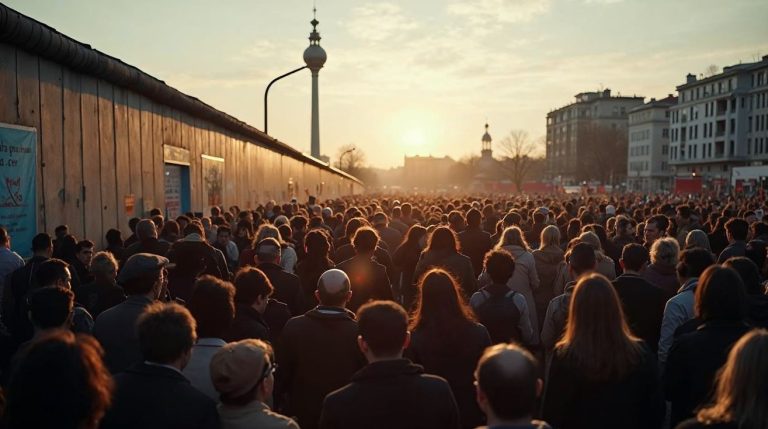
Decolonization, meanwhile, was not merely a chain-breaking event. It was a historical pivot—not to a void, but to newfound self-governance and identity. When India declared independence in 1947, it set off a wave that swept through Asia and Africa, influencing scores of nations. Imagine the poets, the activists, the dreamers who visualized a new world—a world where they would speak their language, rule by their values. Many freshly independent states, such as Ghana, adopted systems echoing their former colonizers, yet infused them with local flavors—in part out of political necessity and partly from cultural reawakening.
Building Democratic Systems
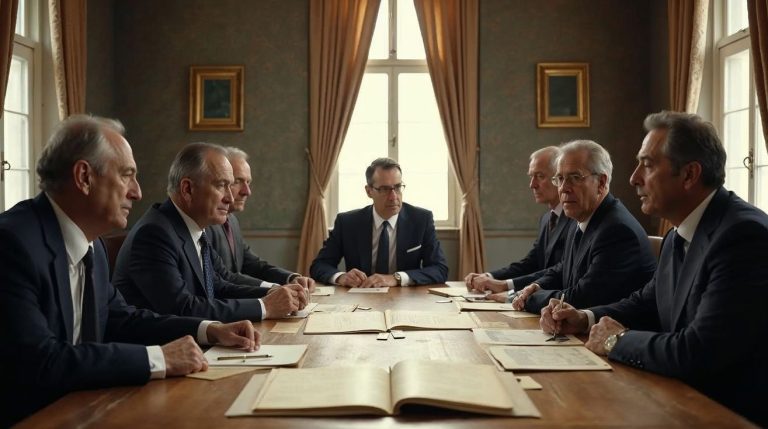
The creation of modern democracies wasn’t simply about drafting a constitution and holding elections. It involved nurturing political culture, investing in civil institutions, and fostering a civic sense—an evolving tapestry of responsibilities and rights. In the midst of these transitions, challenges were (and still are) rampant. Social divisions, economic imbalances, and political factions all jostle for dominance in these nascent democracies. It’s no secret that some have struggled. Yet, the tale of post-colonial development in places like Singapore—where economic strategies and governance reforms transformed the city-state—offers a narrative of successful adaptation, spotlighted even in a ChannelNews Asia feature.
The Unfinished Journey
Do these historical shifts continue to influence today? Absolutely. The evolving concept of democracy itself is dynamic, and its breadth is being continuously tested. From attempts to forge political common ground to community-led governance experiments, the quest for a functioning, inclusive democracy persists—sometimes floundering, sometimes flying. Furthermore, as digital landscapes open up around the world, they bring fresh opportunities and challenges, making the dialogue and decisions ever more complex.
In listening to these echoes from the past, one may wonder: What comes next? Perhaps we are witnessing the sprout of a more globally recognizant and inclusive form of governance—fueled by the rich, albeit tumultuous, tapestry of empire and decolonization.
In the end, as citizens of this ever-interconnected world, it’s upon us to learn from history’s drama. How might we, with voices raised and lessons learned, write the next chapter? Let’s engage with our communities, steep ourselves in diverse histories, and use that insight to shape a brighter future for democracies near and far.