Remembering The Collapse of the Berlin Wall in an Age of European Integration
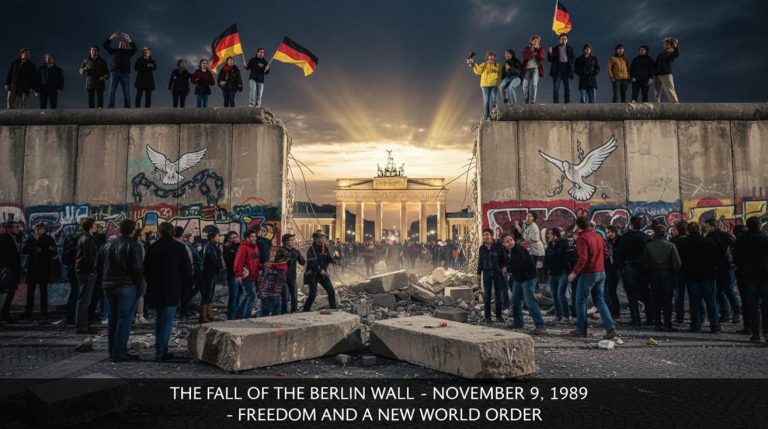
It was a crisp, chilly evening on November 9, 1989, when it happened. Crowds gathered with anticipation in East Berlin, the air electric with disbelief. You could almost feel history shifting beneath your feet. The Berlin Wall, that colossal concrete divide, was finally falling. What a moment! As joyful East and West Berliners clambered over the barrier that had separated them for decades, it wasn’t just a wall that crumbled—it was the end of an era. And today, as we reflect on that pivotal night, we find ourselves asking: How has Europe transformed in the shadow of the Wall’s collapse?
The Berlin Wall: A Symbol of Division
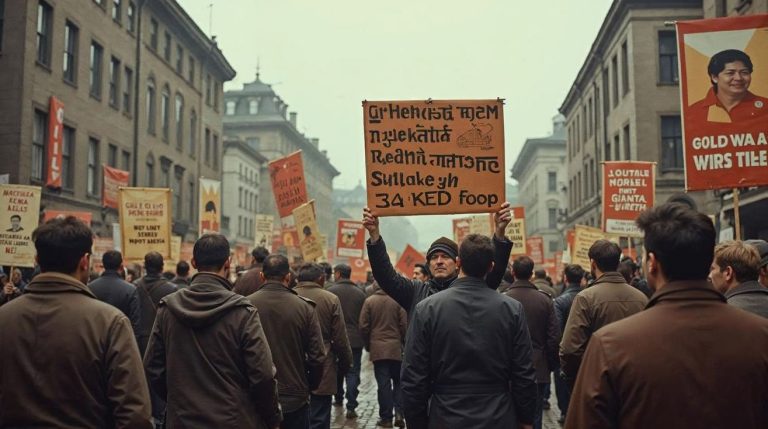
The Berlin Wall stood as a stark reminder of a divided Europe, its concrete slabs cutting through the heart of Berlin for 28 long years. Constructed by East Germany in 1961, it was meant to stop the flow of defectors seeking freedom in the West. For many, it was more than just a physical barrier. It became a powerful symbol of the ideological struggle between communism and democracy. This bitter reality, marked by armed guards patrolling its length, haunted the continent.
According to a comprehensive report by History.com, nearly 5,000 people attempted to escape over the Wall, with many risking and losing their lives in the process. The Wall wasn’t just an engineering marvel designed to keep people in but also a brutal reminder of political tyranny.
The Night the Wall Came Down
The events of that November night were a melting pot of confusion and euphoria. The announcement, which was intended to be a modest adjustment in travel rules, was misunderstood. As the news spread, people flooded the checkpoints, demanding to cross. That unexpected rush forced the hand of the overwhelmed guards. They opened the gates, and thousands surged into West Berlin. It was, quite literally, a breach in the Iron Curtain that had once seemed impenetrable.
Reflecting on that surreal night, Angela Merkel once stated, “It was a night that changed my life forever, and the lives of many others in East Germany.” Her words capture the overwhelming emotions of liberation and newfound hope that resonated with millions.
European Integration After the Fall
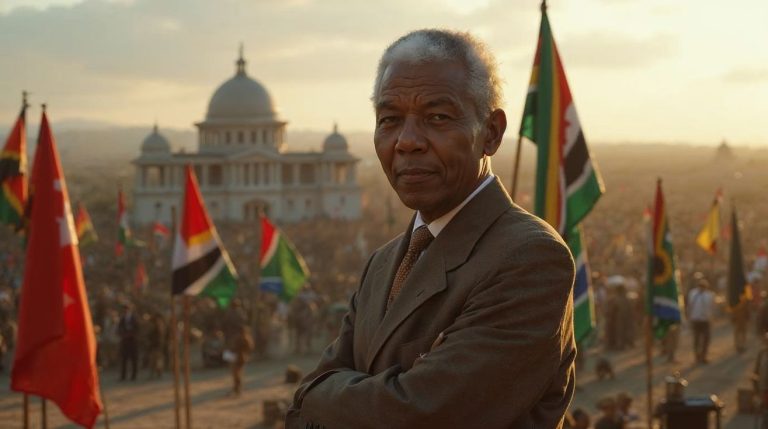
In the wake of the Wall’s fall, European integration gained unprecedented momentum. Formerly divided nations began to heal, and the seeds of unity were sown. The European Union expanded, embracing countries that had once been behind the Iron Curtain. It’s fascinating to think how the collapse of a single wall carried such transformational weight across the continent.
The acceleration of European unity has roots firmly planted in the rubble of the Wall. If it weren’t for that night in 1989, the Europe we know today—one characterized by free movement, shared policies, and collective identity—might look very different. As the years unfold, the complexity and determination of that integration continue to evolve.
For those interested in how these changes have shaped modern Europe, check out this insightful YouTube video that explores the broader impact of the Berlin Wall’s fall.
Lessons and Legacies
Today, the remnants of the Berlin Wall serve as a stark reminder of the past. It teaches us the value of freedom and the profound impact of collective resilience. The graffiti-covered sections that remain scattered across Berlin are tourist magnets and serve as poignant reminders of a world that, thankfully, is part of history.
Yet, in our modern context of shifting political landscapes and new walls, both literal and metaphorical, the lessons of the Berlin Wall have never been more relevant. How will future generations perceive and understand these markers? One can only hope that we remember the past as a guidepost for a shared future.
As we honor the Anniversary of the Wall’s destruction, let us remember the courage it took to bring it down and nurture the unity it’s inspired. Feeling inspired? Why not dive deeper into this fascinating chapter of history or even plan a visit to Berlin to experience its incredible modern vibrancy? The past is alive and kicking, waiting for curious minds to explore and appreciate it.