What We Misunderstand About The Civil Rights Movement
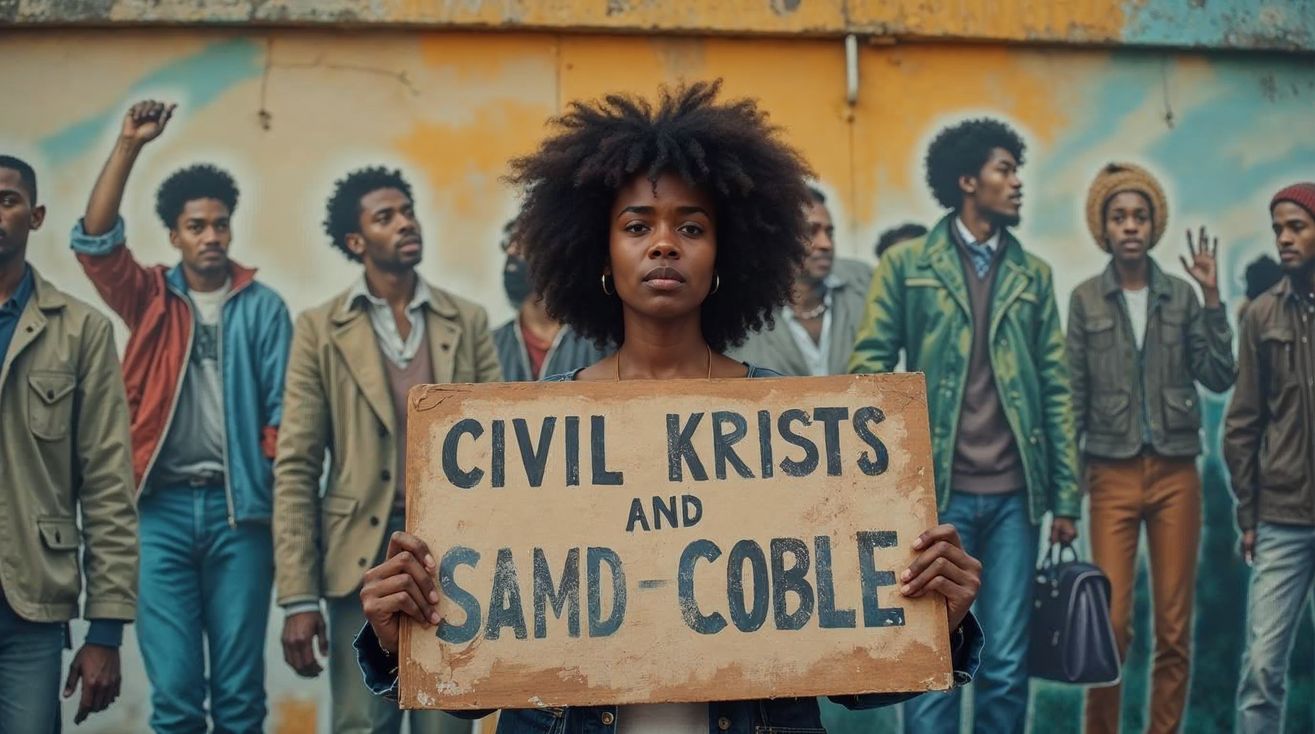
The Civil Rights Movement remains one of the most pivotal times in American history. Yet, we’ve realized that what we know — or better yet, what we’ve been taught — is often fraught with misconceptions. Just think about it: how many times have we seen images of Martin Luther King Jr. leading peaceful marches or heard stories about Rosa Parks refusing to give up her seat? These iconic moments undeniably resonate, but they can sometimes obscure deeper, nuanced truths.
The Complexity Beneath Simplicity
When we picture the Civil Rights Movement, our minds instinctively gravitate towards heroic figures and dramatic protests. But here’s the thing: it wasn’t all marches and speeches. The movement was a multifaceted struggle, rooted in local communities and everyday acts of rebellion. Imagine being a teenage girl who marched not knowing if she would face violence or imprisonment. It might surprise you, yet these young people played crucial, though less celebrated, roles.
The movement was not a unified monolith either. From the philosophies to the actions, there were conflicting ideologies. For instance, while King’s philosophy was rooted in nonviolence, the Black Power movement adopted a more militant stance. According to a History.com article, groups like the Black Panthers advocated for self-defense and community empowerment, something quite distinct from King’s message.
Local Heroes in a National Story
We often focus on towering figures, but what about the unsung heroes? Think of the local leaders, the men and women who didn’t always make the headlines but whose everyday bravery sparked significant change. Now, this is where the narrative truly deepens.
Take, for example, Claudette Colvin. You might not have heard her name amid the cacophony of textbooks, but Colvin was a teenager who refused to surrender her seat to a white person on a bus, months before Rosa Parks’ famed protest. Her courage is a vivid reminder that countless ordinary people fueled the core of the movement — and who, let’s be honest, deserve more recognition than they sometimes get.
Beyond Black and White
Another thing we often overlook is the diversity within the Civil Rights Movement and its supporters. Sure, it was primarily seen as a Black movement for equality. However, it involved many white allies, as well as Hispanics, Asian Americans, and Native Americans who felt marginalized within the larger social framework. They too shared the dream of a just and equal society.
And speaking of unsung allies, the story of Viola Liuzzo comes to mind. A white housewife from Detroit, she was tragically killed by the Ku Klux Klan while shuttling marchers between Selma and Montgomery. Her heroism underscores the reality that, though different in skin color, she shared a common cause.
The Lessons We Carry Forward
What’s truly fascinating — and honestly, slightly unsettling — is how the narrative of the Civil Rights Movement is still being unraveled. What does it mean for us today, apart from being a page in a history book? The injustices that ignited the struggle haven’t vanished — they’ve merely shifted in form.
In education, employment, and law enforcement, the shadows of the past linger. For instance, a report from Pew Research highlights significant racial disparities that persist in income and wealth. It’s a sobering reminder that the movement’s goals are far from fully realized.
In today’s digital age, young activists continue to rally for change, with hashtags and peaceful demonstrations. Is this merely a new wave of an old struggle, or something more? Perhaps Woodrow Wilson summed it up best when he said, “
The history of liberty is a history of resistance.
” To see progress, we must acknowledge the complexities — those beyond the polished narratives we grew up with.
So, what’s your take on all this? Let’s explore these stories further and reflect on the untold narratives that still demand attention. The Civil Rights Movement’s echoes reverberate through our present — let’s listen, learn, and engage.