What We Get Wrong About Cold War Propaganda
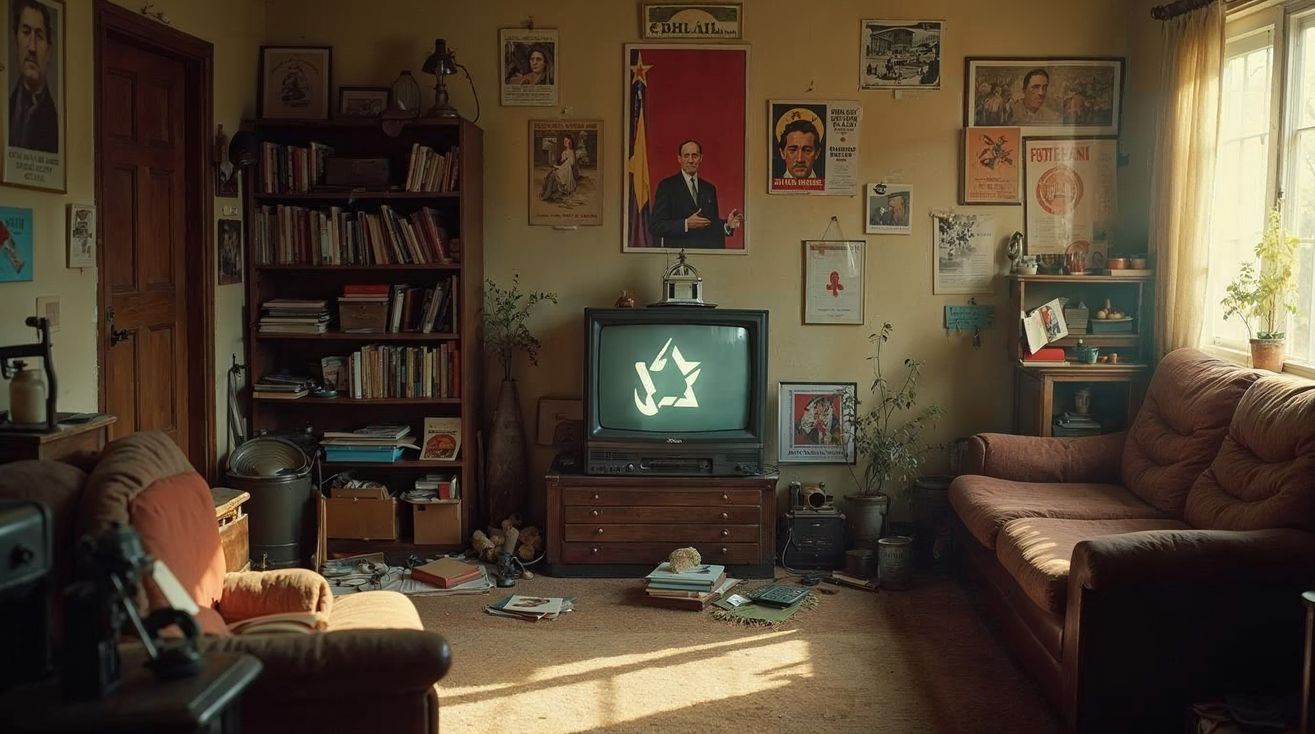
So much of what we’ve absorbed about Cold War propaganda feels like unquestioned lore, similar to those tales passed down in hushed family gatherings. But, could it be that our understanding is riddled with misconceptions? In an era where global tensions precariously balanced on a razor’s edge, the battle for ideological dominance was fought not just on distant battlefields, but right in our living rooms, our classrooms, and even through the imagery on our cereal boxes. Let’s delve into what’s often misconstrued about this chilling period in history.
The Battleground of Ideas
The Cold War was more than just a clash of superpower heavyweights — the U.S. and the Soviet Union. It was a war waged with ideas and ideals. At first glance, these concepts seemed innocuous, yet they entangled words like freedom and oppression in a subtle wrestling match. School curricula and media outlets on both sides of the Iron Curtain were saturated with meticulously crafted messages. According to a Foreign Policy analysis, many Americans often overlooked the extent to which the U.S. harnessed propaganda to uphold its image as the defender of the free world, projecting moral high ground and championing democratic values.
Propaganda in Art, Media, and Music
Could you ever imagine cartoons as warriors in this psychological tussle? Indeed, that was the reality. The sway of Hollywood films and TV shows was felt worldwide, not just as entertainment but as veiled endorsements of American ideals. Meanwhile, Soviet cinema and literature resonated with critiques and ideals, splashing communist doctrines onto the cultural canvas. Both superpowers orchestrated grand concerts and radio broadcasts that superficially seemed innocent yet carried potent ideological overtones — a symphony of persuasion, if you will. Even jazz, with its seemingly unassuming notes, played its part in this delicate battlefield.
The Hidden Reach of Propaganda
Can one overestimate the breadth of propaganda’s influence? Perhaps, but it might surprise some to learn how deeply Cold War rhetoric seeped into daily life, shaping worldviews and even domestic choices. It’s much like a silent partner in decision-making, always lurking yet seldom acknowledged. According to a Wilson Center article, individuals in the Soviet bloc were continually barraged by content nominating the communist doctrine as either a staunch ally or a shadowy infiltrator. Within the confines of the Iron Curtain, households were inundated with flyers, posters, and films depicting adversaries in a less-than-glorious light.
Revisiting Historical Narratives
There’s a bizarre nostalgia surrounding the Cold War, a twisted yearning for the palpable tensions of that era. Such sentiments often find fertile ground in media portrayals that offer distortions — oversimplifications, even — of the intricate realities of the time. There’s often more romance and less of the harshness that defined daily life. Classrooms brim with textbooks and documentaries that inadvertently relay a singular perspective. A captivating examination of this is available in the BBC documentary series that explores these narratives, showcasing the facets we might have overlooked.
Have we genuinely confronted the layered influences that steered our collective memories, or have we rested on comforting half-truths?
In wrapping up, the Cold War era’s strategic use of propaganda wasn’t just about painting the opposition in sinister hues. It was about weaving a compelling global narrative, one where every citizen played an unwitting role. As we navigate modern geopolitical tensions, revisiting these historical intricacies might just provide a crucial lens. So, the next time we reflect on the Cold War, let’s challenge ourselves to question more and dig deeper.