Why The Post-9/11 Security Era Still Impacts Democracy Today
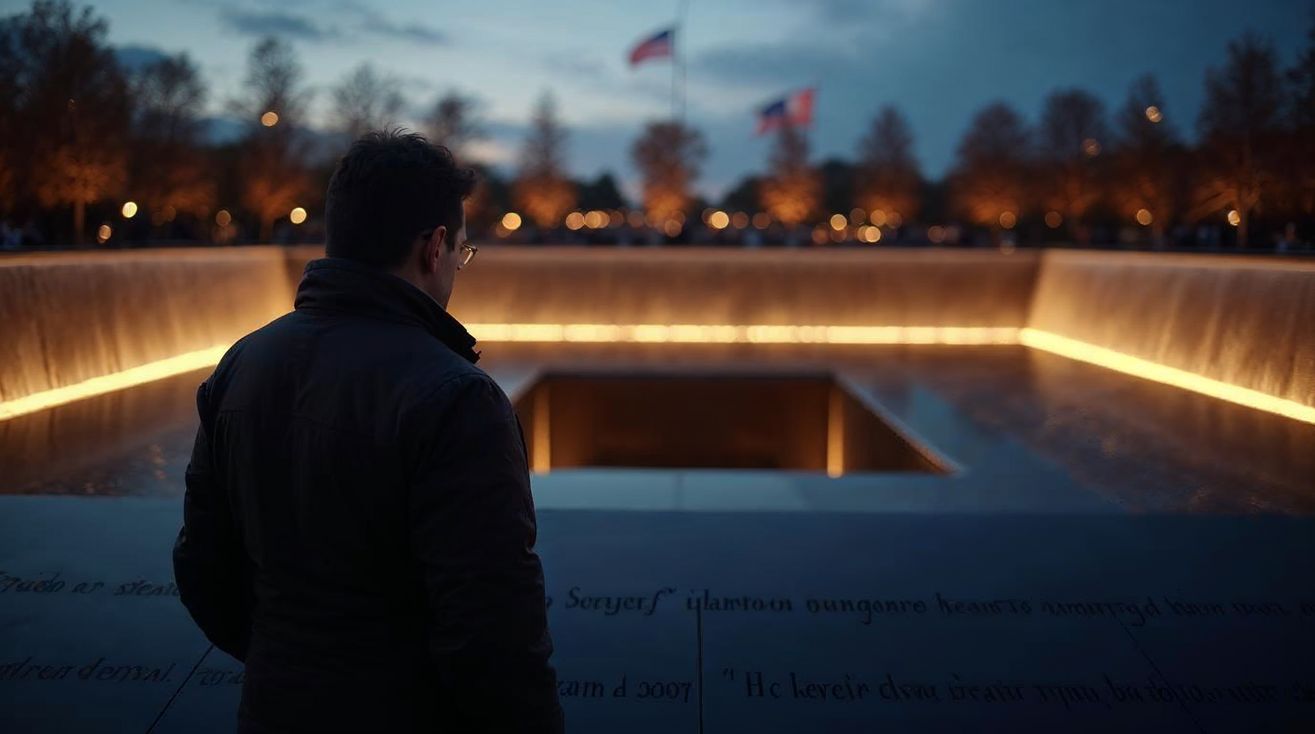
In the quiet moments of pondering security and democracy, it’s easy to overlook just how deeply their intertwining history influences our modern lives. Today, the lingering effects of the post-9/11 security era remain a pivotal, if somewhat haunting, thread in the fabric of democracy. It’s a narrative both complex and vital to understand, especially in times when the echoes of that era are more than mere whispers.
Security and Democracy: A Delicate Balance
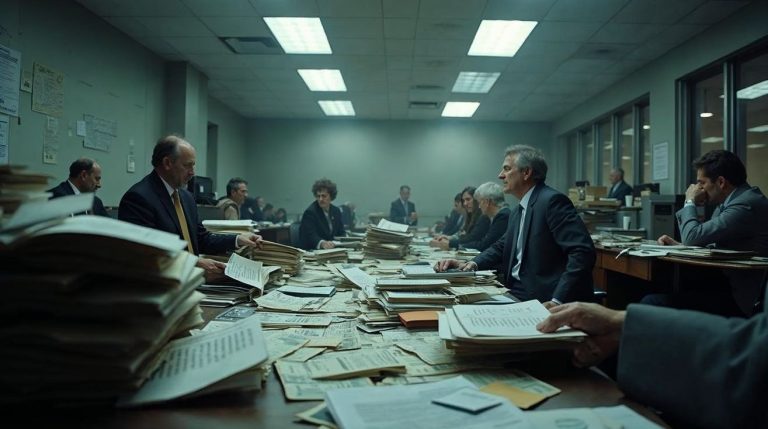
When the tragedies of September 11, 2001, struck, the world witnessed an immediate pivot towards heightened security measures. From rigorous airport screenings to the broad reach of surveillance programs, safeguarding citizens became paramount. But here lies a paradox: how do we balance stringent security with the fundamental freedoms that democracy cherishes? This question still reverberates in policy frameworks today.
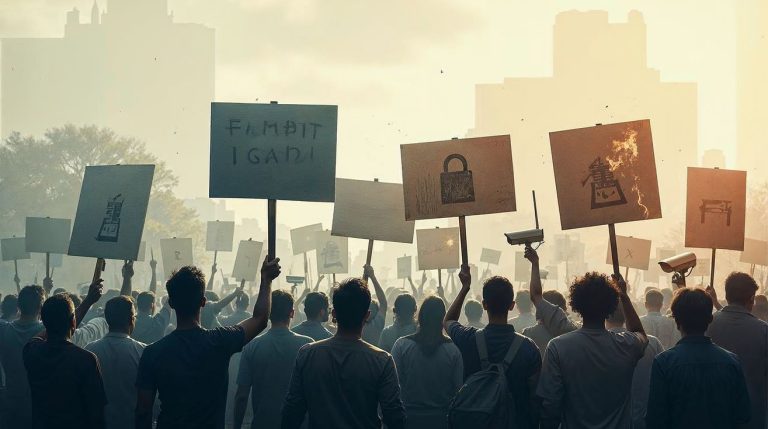
The Patriot Act, a prime example, was enacted swiftly after the attacks, granting expansive powers to law enforcement under the guise of preventing further terrorism. However, this legislation drew criticism for potentially eroding civil liberties—a debate that plays on to this day. According to information from the ACLU, concerns about privacy and personal rights continue to stir the dialogue around national security and freedom.
The Emotional Toll on Civil Society
For many, the post-9/11 era wasn’t just a shift in security policies; it was a somber shift in collective consciousness. How often, even now, does one look up at the sky, hearing a plane, and momentarily hesitate? It’s not far-fetched to say this era has left emotional scars that transcend generations. Societal trust has endured strains, especially with debates around surveillance by government entities.
Statistically speaking, almost two decades later, surveys indicate a divided America on issues of privacy versus safety. Have we tilted too much towards a surveillance state? Or have we struck an indispensable balance that protects while preserving liberty? It’s a question without a clear answer, with perspectives as varied as the populace itself.
Shifting Political Landscapes
The political climate post-9/11 evolved too, carving out new pathways of power dynamics. Leaders worldwide had seen just how vulnerable infrastructures could be, and naturally, policies reformed and tightened. The often-unseen struggle in these reforms is maintaining accountability and transparency, two key tenets of democratic governance.
And here’s where the human facet shines through—people craved more than security; they demanded clarity, justice, and freedom from unnecessary intrusion. The debates over government data collection programs, highlighted by the revelations of whistleblowers, raised significant questions about the moral obligations and limits of such intelligence activities. As Edward Snowden, whose actions sparked a global dialogue, once implied: “It’s not about having something to hide; it’s about having something to protect.”
Global Influences and Responsibilities
Interestingly, American policies rippled beyond its borders, influencing how other nations approached security and civil liberties. Allies aligned themselves, sharing intelligence, sometimes quicker than the ink could dry on new agreements. Yet, with these alliances came responsibilities, and criticisms followed whenever democratic rights faced compromise under the guise of alleged threats.
An insightful video from the Council on Foreign Relations highlights these global impacts, elaborating on the shifts within international relations driven by post-9/11 policies.
As Americans or even global citizens, our duty isn’t just to reflect on these influences passively. It’s to engage, to question, and to actively involve ourselves in shaping policies that honor the memory of past sacrifices while advancing democratic ideals.
In understanding this deeply human journey, one appreciates that democracy isn’t static. It’s a living, breathing entity, molded by the needs of its people. And while the shadows of the post-9/11 era still linger, it’s in our collective actions—sometimes imperfect, often impassioned—that the future of democracy finds its truest form.
Take part in the conversation today. Advocate for balanced policies, learn about your rights, and be part of a discourse that respects the past while paving the way for a freer tomorrow.