The Long Shadow of Cold War Propaganda in International Policy
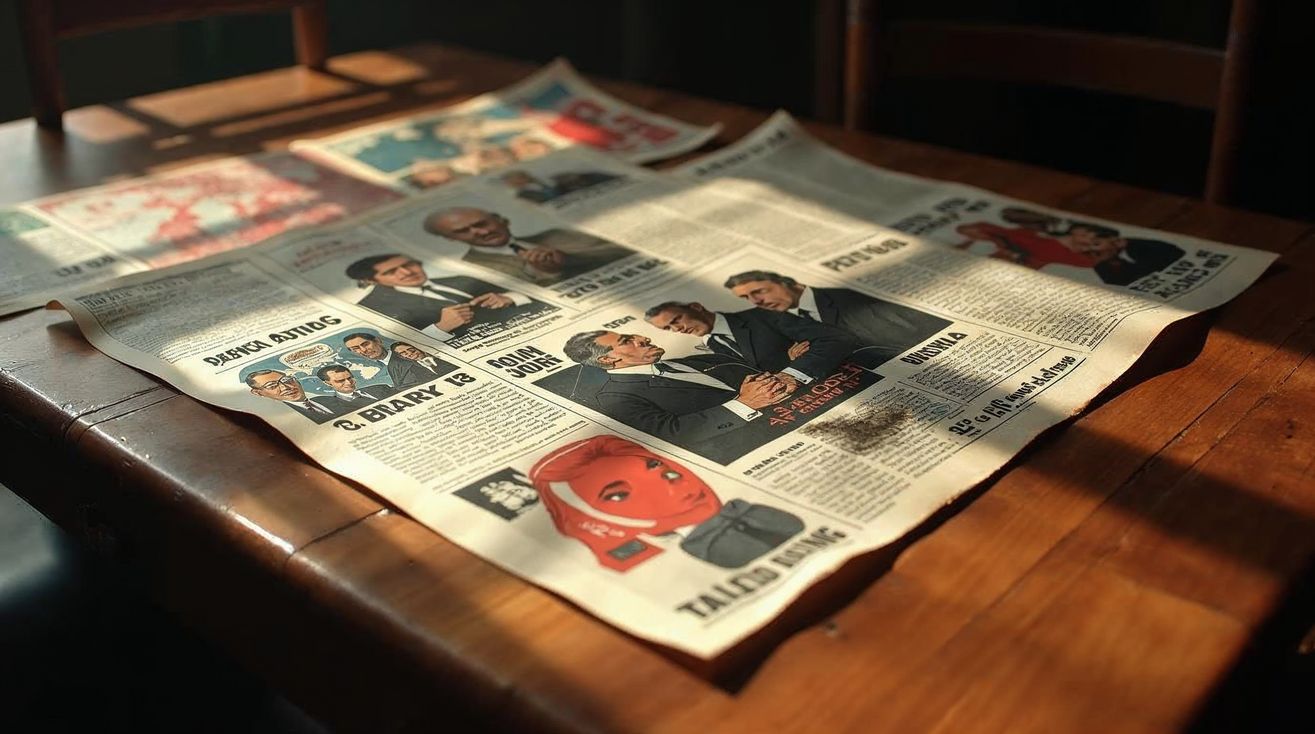
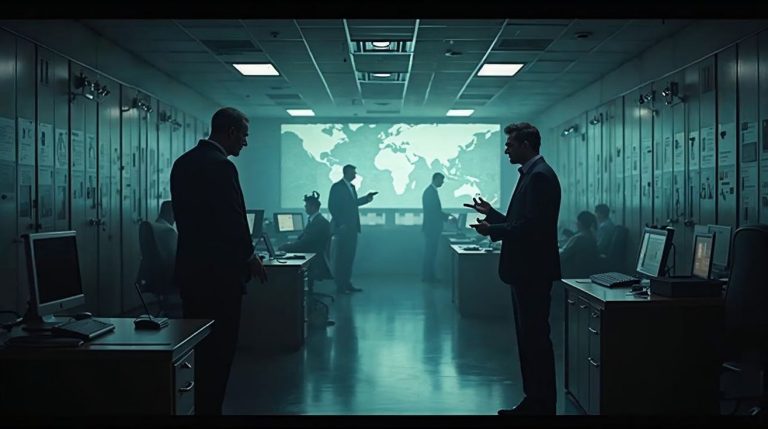
The Cold War might seem like a distant chapter in a thick history book, but its echoes are surprisingly heard even today. They linger in unexpected corners, particularly within the realm of international policy. The fingerprints of Cold War propaganda are subtly woven into the fabric of diplomatic relations and strategies that many countries adhere to even now—without anyone ever tracing back their origins. But how did this dormant residue of the past manage to cling on and shape current foreign interactions?
The Origins and Tools of Cold War Propaganda
To truly understand the matter, it’s essential to travel back to an era when the world was checking over its shoulder, where superpowers were jockeying for ideological dominance—not on battlefields, but in the hearts and minds of people worldwide. Cold War propaganda was not just about waving flags or loud, obvious messages. No, it was a strategic woven tapestry designed to influence thought and create narratives. The aim? Establish narratives that would sway public opinion without firing a single bullet.
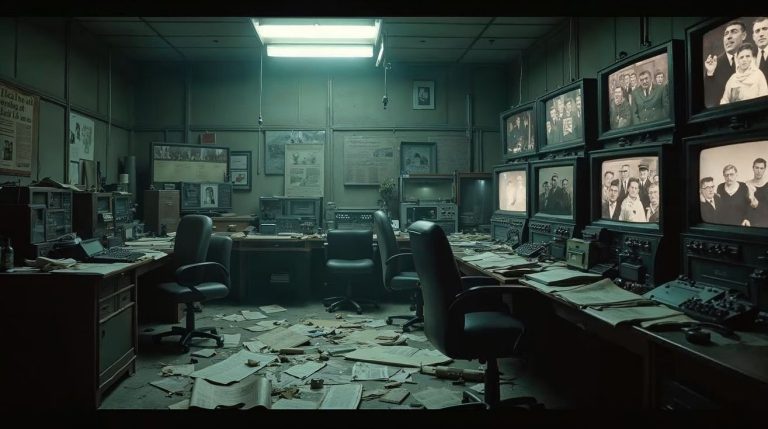
During the height of the Cold War, both the United States and the Soviet Union invested heavily in propaganda machines. They churned out movies, books, and even radio broadcasts intended to paint their respective systems—capitalist democracy and communist socialism—in the most flattering light possible while vilifying the other. But, and here’s the curious part, these efforts weren’t limited just to allies or adversaries. Neutral countries, and even domestic audiences, found themselves targeted.
The Impact on Modern International Policy
Fast forward to today’s complex world, and you might begin to see the long shadow this period cast on contemporary international policy. Political strategies and diplomatic maneuvers often revert to these Cold War-era narratives. For instance, many foreign policies are still heavily influenced by the entrenched notion of ‘us versus them,’ a concept deeply rooted in Cold War thinking. It’s almost as if nations are often peering through an outdated lens, viewing the world in black and white, rather than through the vibrant complexities it truly is.
According to a Foreign Affairs article, scholars have pointed out that such narratives continue to shape strategic frameworks, guiding how countries ally, engage, and even how they view potential threats. It manifests in actions like increased military expenditure or in decisions regarding which nations are deemed suitable as allies. It’s a testament to how deeply ingrained these Cold War constructs are—they’re the unseen sutures holding together many strands of international relations.
The Ongoing Influence in Media and Culture
Peeking beyond politics, the influence of Cold War propaganda also seeps into culture and media. Have you noticed recurring themes in films or TV shows that pit one ideology against another? These aren’t merely creative endeavors—they often mirror the dualistic perspective propagated during the Cold War. Hollywood, especially, played a pivotal role during that time, crafting narratives that showcased Western ideals while subtly critiquing others. This tactic, of course, wasn’t solely reserved for the silver screen. Books and articles penned during that era often bore the same intentional biases.
Even today, the echoes of such propaganda resonate through media landscapes. Reactivating such themes tends to become a go-to formula for creating tension and drama. Indeed, it seems that remnants from the Cold War are occasionally sampled and remixed into modern storytelling.
Breaking Free from Old Narratives
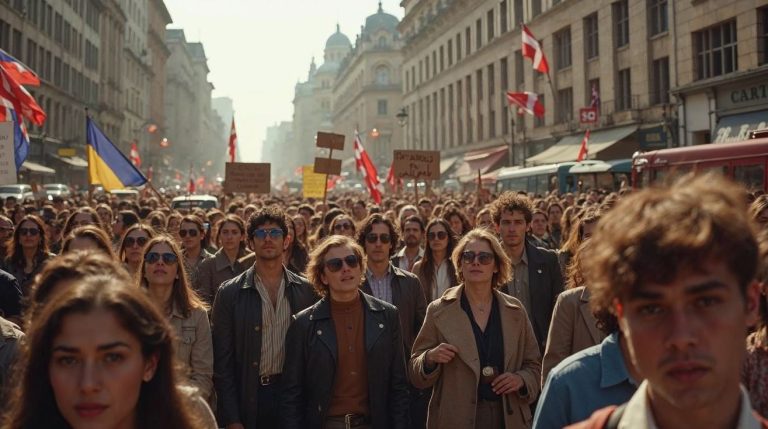
But here’s the big question: Is it possible to escape this paradigm? Can nations step out of the long shadow cast by Cold War propaganda? While some experts remain skeptical, claiming that these narratives are too entrenched to fully extricate, others see hope. They advocate for a more nuanced approach—one where nations recognize the legacy they’ve inherited and consciously choose to break away from it. This involves cultivating an awareness that transcends past propaganda, fostering a space where collaboration supersedes ancient narratives of division.
Ultimately, breaking these deep-rooted patterns begins with mindfulness, both at the governmental and individual levels. By acknowledging the origins and impacts of these Cold War ideals in today’s world, there’s potential for crafting a new, more inclusive narrative—one that celebrates the intricacies of human connection and understanding.
In contemplating this shift, consider how you engage with information and media shaped by these past influences. In doing so, we can collectively work toward a future defined not by the shadows of the past, but by the luminous possibilities of the present. Explore these ideas further, and let’s be a part of rewriting the dialogue for tomorrow—one step at a time.