The Arab Spring: Insights for Today’s Immigration Debates
The Arab Spring—a whirlwind of activism, hope, and change—rolled across the Middle East like an unignorable tidal wave. But, as you might wonder, what does this historic event have to do with today’s immigration debates? Honestly, more than you’d think. We’re diving deep into how the upheaval of countries has echoed into the lives of many who seek solace elsewhere.
Reflections on the Arab Spring
Back in 2010, the world watched as the Arab Spring unfolded. A domino effect of uprisings in countries like Tunisia, Egypt, Libya, and Syria, each one stirring its own unique pot of political and social change. What kicked off as a quest for *basic human rights* spiraled quickly into chaotic revolutions, and the consequences were monumental. Fast forward to today, and the impact is still palpable—especially in the realm of immigration. According to a BBC report, countries that experienced the most intense unrest saw massive outflows of people seeking safety and stability, often under harrowing conditions.
Migration Patterns and Challenges
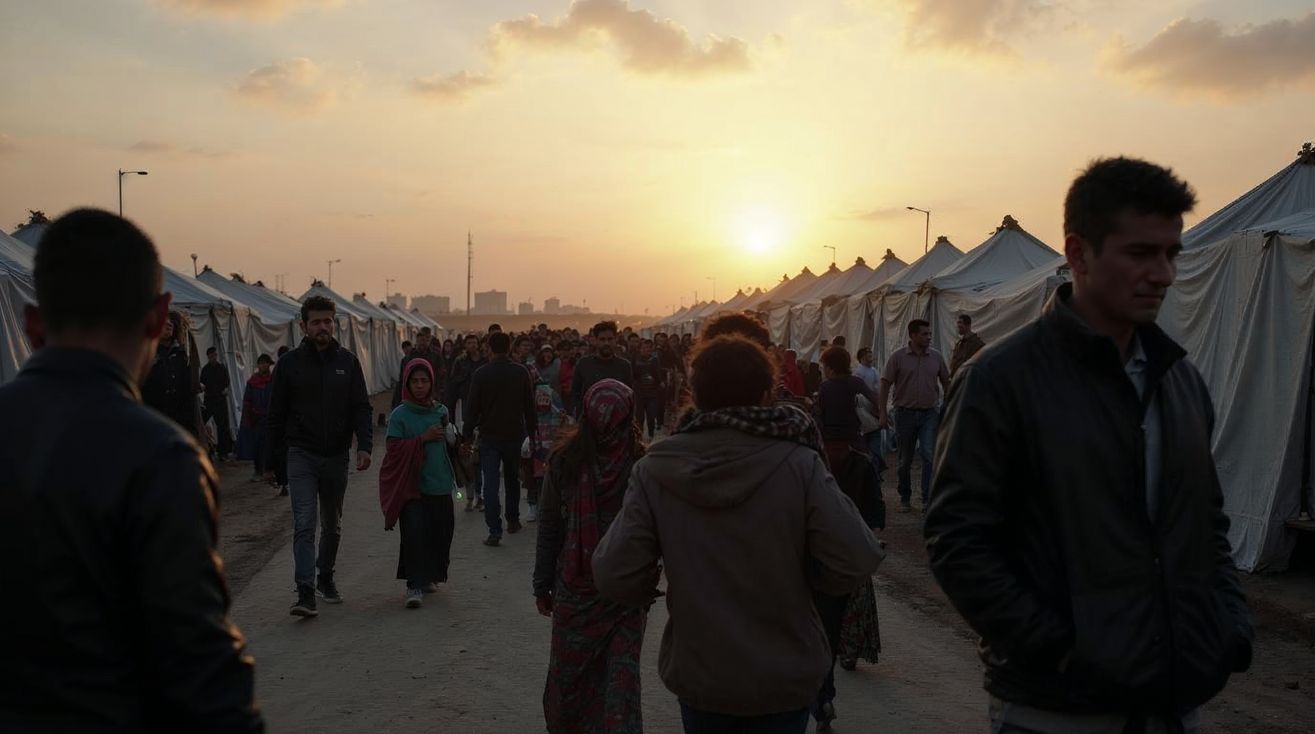
The ripples of the Arab Spring brought new waves of migration, forever altering immigration patterns. Refugees from Syria, Libya, and Yemen embarked on perilous journeys across the Mediterranean or found refuge in neighboring countries like Jordan and Lebanon. And let’s face it, those were not simple cases of people packing up their lives in suitcases. Instead, many endured dangerous routes, facing threats of human trafficking, starvation, and even death.
The United Nations High Commissioner for Refugees (UNHCR) has documented countless stories of desperate families, often separated along the way. “We left everything behind for a chance at a new life,” said one Syrian refugee in a UNHCR story. Imagining their plight, you can almost see the fear mingled with hope etched in their eyes.
Effects on Global Policies
Countries across Europe, as well as the United States, have been significantly affected by the fallout. The Arab Spring forced these nations to revisit and, in some cases, tightly scrutinize their immigration policies. All of a sudden, there was a pressing need to balance borders and humanity. Officials found themselves devising policies that maintained security while offering compassion to genuine asylum seekers. According to Council on Foreign Relations, migration management became a high-priority topic for governments, making the navigation of international relations even more complex and delicate.
In practical terms, the Arab Spring urged policymakers to adopt a more evidence-based approach to migration. They could no longer afford to ignore the interconnectedness between political stability and migration flows. Yet, the debate continues: How can societies best integrate refugees and immigrants while maintaining social cohesion? It’s a question that’s not just theoretical but very much alive, making everyday headlines.
The Human Stories Behind Numbers
The discourse around immigration is often dominated by numbers and statistics. But behind these figures are people with real, often heartbreaking, stories. Children outgrowing clothes donated by charitable organizations. Mothers speaking languages foreign to them. Fathers facing the reality that skilled jobs back home don’t translate overseas. It’s these human elements that often get lost in the larger debates.
In an emotionally charged , a video by a global relief organization shows the resilience and bravery of refugees adapting, unyielding in the face of monumental challenges. The kind of detail that resonates deeply, reminding us that immigration is not just about borders; it’s about people rebuilding their lives.
For those curious enough to look beyond the headlines, the stories emerging from events like the Arab Spring offer numerous lessons about global interconnectivity, resilience, and the indefatigable human spirit.
So, whether you view immigration purely as a policy issue or something much more personal, there’s no denying it’s a topic of our times—colorfully complex and deeply human. What’s your perspective on the ongoing narrative of immigration in relation to influential events like the Arab Spring? Let’s continue this conversation, because it’s one we cannot afford to silence.