Why the new global power struggles resemble the pre–World War I alliances
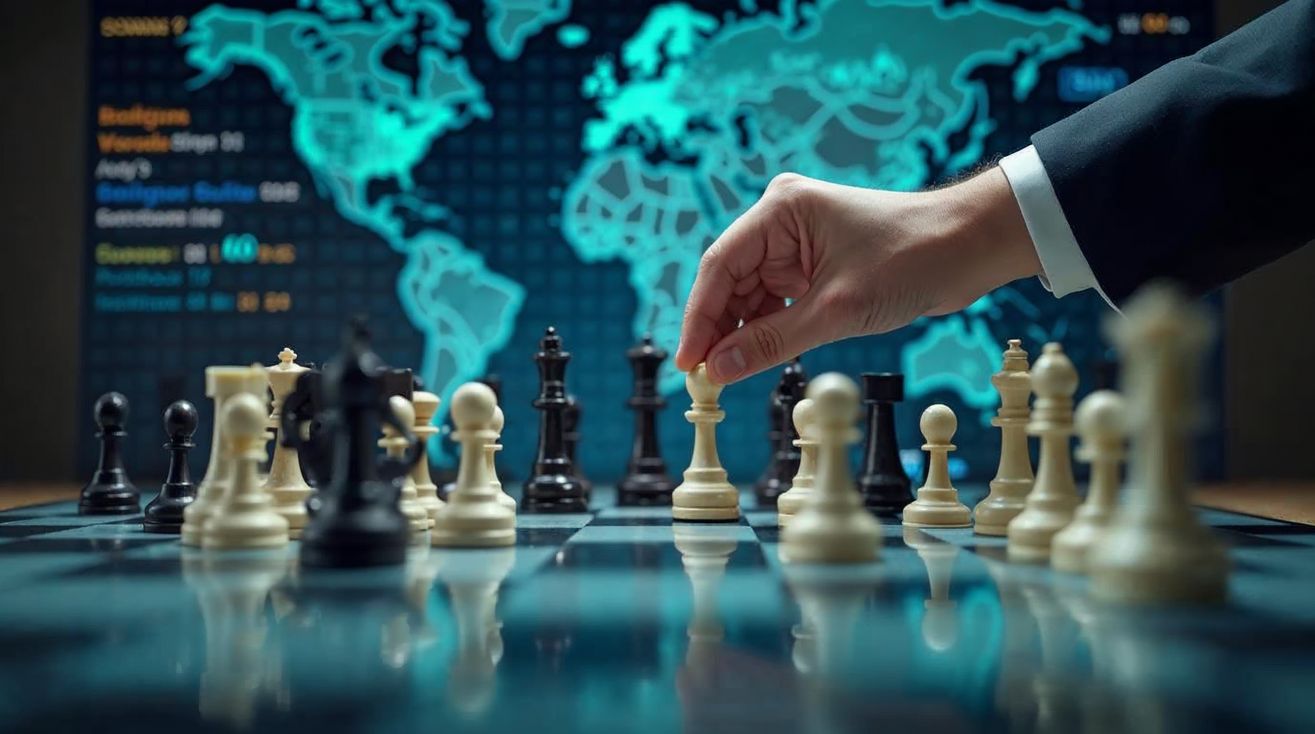
In the swirling dynamics of today’s geopolitical landscape, you might find yourself feeling a sense of déjà vu. The alliances forming, the tensions rising — it’s almost as if history is repeating itself. And honestly, isn’t that a bit unnerving? The comparison to the pre–World War I era is not just a casual observation; it’s a reminder of how easily the balance of power can tip.
The Echoes of History
When we dive into the details, the parallels between current global power struggles and those that existed before World War I become strikingly clear. Much like a century ago, we’re witnessing a complex web of alliances and rivalries. Major powers, from the U.S. to China, are aligning themselves in ways that feel eerily familiar.
Take, for instance, the way nations are jostling for influence. Back then, it was the British Empire and Germany eyeing each other warily across the North Sea. Today, it’s the U.S. and China, both vying for strategic dominance, not just militarily but economically and technologically. According to a Foreign Affairs report, this competition is reshaping global alliances and threatening to create economic spheres of influence much like those of the early 20th century.
The New Players on the Stage
Of course, the actors have changed. The European powers that dictated the old world order have given way to a more diverse cast. Russia, for example, is undeniably a wild card these days, its intentions often cloaked in secrecy. Meanwhile, regional powers like India and Brazil are stepping onto the global stage with ambitions of their own.
It’s fascinating, really, how these new players are influencing the global chessboard. India, with its burgeoning economy and strategic location, is a case in point. It’s aligning itself with various powers while maintaining a delicate balance between the U.S. and Russia. And then there’s the Middle East, where alliances shift as frequently as the desert sands. You can almost picture the overlapping interests — oil, religion, and power — creating a landscape as volatile as it is strategic.
The Fragile Balance
Yet, despite the differences, the fragility of these alliances remains a haunting similarity. The pre–World War I alliances were a delicate balance of power, and today’s global relationships are no less precarious. The rise of nationalism and protectionism adds another layer of complexity, reminiscent of the fervent nationalism that partly fueled the Great War.
Consider the recent tensions surrounding NATO, where unity is tested by differing national interests and political pressures. According to a NATO briefing, maintaining cohesion among member states is a constant struggle. And then there’s the matter of cybersecurity — a new frontier in warfare that further complicates these alliances. It’s the kind of detail people might shrug at… until they don’t.
Lessons from the Past
So, what lessons can we draw from the past? For one, the importance of diplomacy cannot be overstated. Back then, a failure in diplomatic measures led to catastrophic consequences. Today, diplomatic channels are more critical than ever in preventing history from repeating itself. Dialogue between the U.S. and China, for example, is not just beneficial but essential to global stability.
But there’s also a human element that often gets lost in the grand narratives of geopolitics. The individuals — leaders, diplomats, citizens — who ultimately shape these alliances. Their decisions, big and small, have the power to steer the course of history. It’s a reminder that while the players may change, the human capacity for both conflict and cooperation remains constant.
As you ponder these global shifts, remember that history is not just a series of events but a collection of human stories. And in today’s interconnected world, each of us has a role to play in shaping the future. So, why not stay informed, engage in meaningful dialogue, and be part of the conversation? After all, the lessons of the past are only valuable if we choose to learn from them.